LED Headlights vs Halogen: Which Is Better for Your Car?

LED headlights work well only in a headlamp housing built for them; on most factory halogen cars, a quality halogen replacement is the safer pick. A poor swap can throw glare into other drivers’ eyes, cut visibility in rain or snow, and waste money on parts that fit badly. This guide compares beam pattern, fitment, legality, and long-term cost so you can choose the right replacement.
| Factor | LED headlights | halogen | Winner |
|---|---|---|---|
| Upfront price | Higher purchase cost; a quality pair often sits around $100 to $200. | Lowest entry cost. | halogen |
| Beam pattern in the right housing | Strong when the housing was built for it; poor retrofits can scatter light. | Usually predictable in factory reflector or projector housings made for halogen. | halogen |
| Night visibility potential | Often brighter and longer-range in properly matched systems. | Least bright option, with a yellowish tint. | LED headlights |
| Lifespan | Longer-lasting; quality units are often rated far above halogen. | Shorter lifespan and more frequent replacement. | LED headlights |
| Compatibility risk | Higher risk in retrofit use, especially in reflector housings. | Lower risk because the system was usually designed around it. | halogen |
LED headlights vs halogen: the real trade-off
What halogen and LED headlights
Halogen is the factory-default setup on most older cars, and over 80 percent of cars still have halogen headlights. It is the cheapest bulb type and the least bright option. LED headlights are a solid-state light source that usually draws less power, turns on instantly, and lasts longer.
Consumer Reports says headlights use either a reflector or a projector to direct light. That housing matters because the bulb is only part of the system. A bright bulb in the wrong optic can perform worse than a plain bulb in the right one.
Why brightness alone is not the answer
Consumer Reports also says LEDs do not always provide more illumination than halogen or HID headlights. That is the point many buyers miss. Raw brightness on a box does not tell you how much useful light reaches the lane ahead, the shoulder, or a wet sign.
Color matters too. The same source says halogen bulbs typically give off a yellowish tint, while many LED replacements create a cool-white or bluish-white look. The whiter appearance can seem sharper, but it does not automatically mean better comfort or better seeing distance in poor weather.
Where the housing changes the result
Headlight housing type changes the result more than most shoppers expect. Reflector housings are more sensitive to bulb shape, filament location, and beam spread. Projector housings usually control the cutoff better, so they are more forgiving when the bulb and optics are matched correctly.
A common first-timer mistake is buying an LED retrofit for a halogen reflector housing because the packaging promises “brighter” light. If the light source does not sit in the right place, the beam can flare upward, send glare toward oncoming drivers, and still fail to improve what you can actually see.
| Scenario | Score: LED headlights | Score: halogen | Risk note | Recommended choice |
|---|---|---|---|---|
| City commuting | 3 | 4 | Stop-and-go driving rarely needs maximum throw, and a retrofit can add glare in dense traffic. | halogen |
| Rural/highway night driving | 5 | 3 | Long, dark stretches reward a well-matched LED system, but only if the beam pattern is clean. | LED headlights |
| Rain/fog | 2 | 4 | Cool-white light can reflect more from droplets and mist, which can reduce comfort and contrast. | halogen |
| Reflector housing retrofit | 1 | 5 | Fitment and cutoff control are the biggest problems here; glare risk is high. | halogen |
| Long-term ownership | 5 | 2 | Higher upfront cost can pay back through fewer replacements if the car is kept for years. | LED headlights |
Brightness and beam pattern
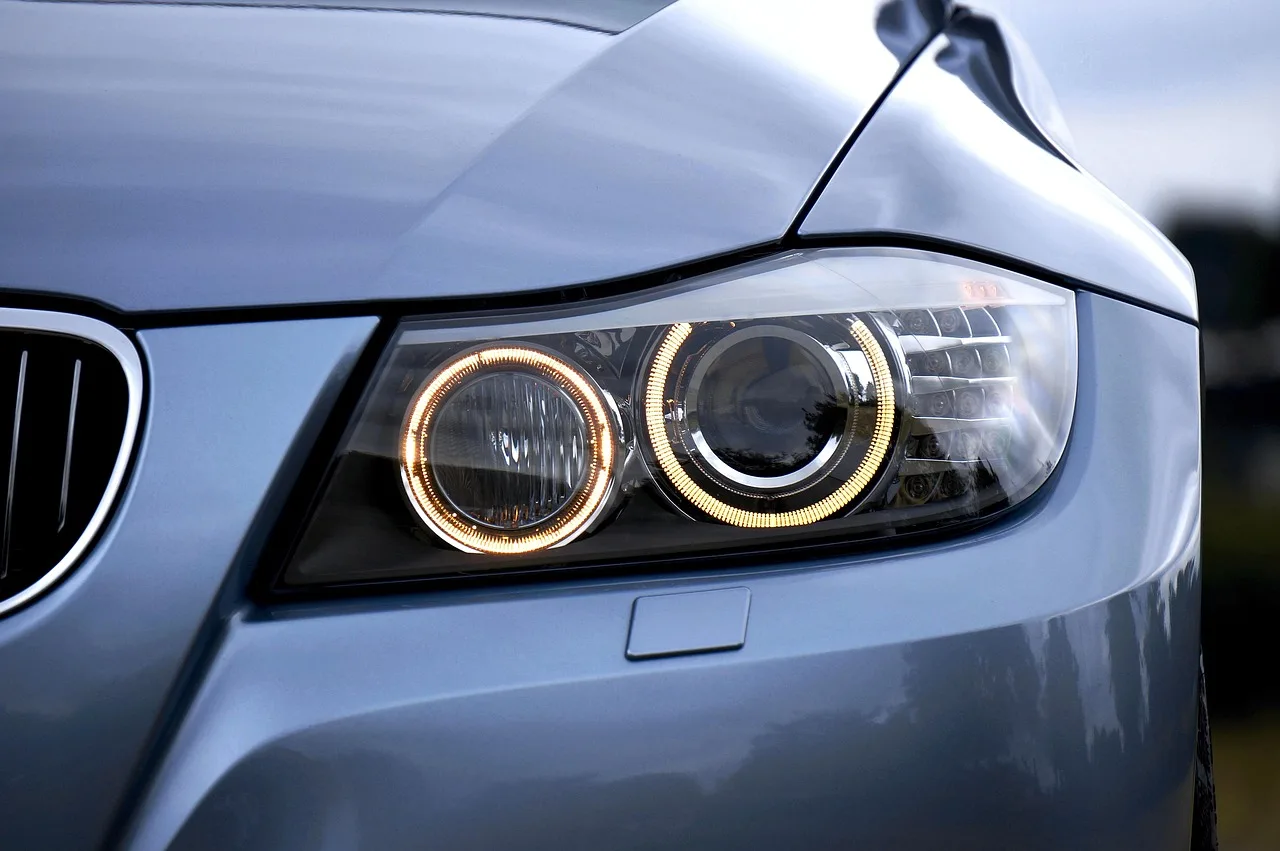
LED headlights often win on usable light when the housing was designed for them. They can place more light where you need it, especially on dark rural roads. In a halogen reflector, though, the same bulb can spread light poorly and create glare before it improves forward visibility.
Halogen is still the safer baseline in older housings because the optics were designed around its filament position. That predictable beam pattern matters more than a box claim about lumens. Road safety depends on where the light lands, not just how much light the bulb produces.
Lifespan and replacement frequency
According to the M-AUTO comparison page, a quality LED can last 30,000 to 50,000 hours. The same page says halogen bulbs typically last 500 to 1,000 hours. That gap means fewer replacements with LED, especially if you drive at night often or keep the car for years.
Long life is useful, but it does not erase fitment problems. A long-lasting bulb that throws a bad beam is still a bad match. Replacement frequency matters most when you are deciding between two well-matched systems, not when one option is aimed poorly from the start.
Power draw and energy use
The same source says LED headlights are less of a drain on the vehicle’s electrical system. In practical terms, that can reduce load on the charging system. For most drivers, though, the fuel-economy effect is small enough that it should not drive the decision.
Halogen’s higher power draw is real, but the savings from LED are usually modest in everyday use. The more meaningful gain is electrical efficiency and reduced heat at the bulb, not a noticeable change at the gas pump.
Cost and ownership trade-off
Halogen is cheaper upfront, and that still matters for a commuter car, an older vehicle, or a short ownership horizon. LED costs more at purchase, with the M-AUTO page putting a pair at about $100 to $200. If you keep the car long enough, fewer replacements can offset some of that cost.
The right question is not “Which bulb is cheapest today?” It is “Which setup gives the best beam, the fewest headaches, and the lowest total cost for how long you will keep the car?” That answer changes by housing, weather, and night-driving habits.
Do LED headlights actually help you see better?
Yes, but only in the right conditions and only when the housing is matched to the bulb. LED headlights are often brighter and can improve long-range visibility on dark roads. In rain, fog, or a poor reflector retrofit, that advantage can shrink or disappear.
City commuting
For city driving, the gains are often smaller than buyers expect. Street lighting, traffic, and short sight lines reduce the need for maximum reach. A clean halogen beam is usually enough, and it avoids the retrofit problems that can make urban glare worse.
Rural and highway night driving
LED headlights make the most sense on long, dark roads where distance vision matters. The extra usable light can help you read the edge of the lane, spot animals sooner, and see signs earlier. That benefit depends on correct aim and a housing that controls the cutoff well.
Picture a driver on an unlit two-lane highway at 11 p.m. with a projector headlamp designed for LED. In that setup, LED can be a clear upgrade. Swap the same bulb into a tired reflector housing, and the result can be more glare than useful reach.
Rain and fog
Rain and fog are the places where a whiter beam can lose part of its advantage. Light that is reflected back toward the driver by droplets and mist can create washout. Halogen’s yellowish output can be easier on the eyes in those conditions, even if it looks less modern.
Suppose a compact car with factory halogen reflector headlights drives through heavy fog on a rural road. A cool-white LED retrofit may appear brighter on paper, but the driver can end up with more backscatter and less contrast than with a correct halogen bulb.
Will LED bulbs work in your halogen housing?
Sometimes they fit physically, but that does not mean they work well optically. The main question is whether the housing was built around an LED light source or a halogen filament. If it was not, beam shape, cutoff, and glare control can suffer.
Reflector housings
Reflector housings are the hardest place to make a retrofit work well. Their beam pattern depends heavily on bulb position, and many aftermarket LED bulbs do not place the emitting surface in the same spot as a halogen filament. That mismatch often causes scatter and hot spots.
Projector housings
Projector housings are usually more forgiving because they control the beam through a lens and cutoff shield. Even there, the result depends on exact fitment. An LED bulb still needs to match the housing geometry, or the output can look bright from the front while failing to light the road well.
Fitment and alignment risks
Alignment sensitivity is part of the problem. A small rotation or depth change can alter the beam enough to create glare. That is why a plug-in bulb that “fits” is not the same as a setup that works correctly.
- Check whether the car came with halogen, factory LED, or another system from the factory.
- Identify the housing type: reflector or projector.
- Confirm whether the replacement is a true match for that housing, not just the same socket.
- Inspect beam cutoff and aim after installation.
- If the beam is scattered or the cutoff is messy, keep the halogen setup or switch to a proper housing solution.
Headlight decision matrix
The right pick depends on the driving pattern, not the marketing label. Use this matrix as a practical shortcut, not a blanket rule. The same bulb can be a good idea in one car and a bad one in another.
| Scenario | Halogen score | LED headlights score | Risk note | Recommended choice |
|---|---|---|---|---|
| City commuting | 4 | 3 | Traffic density makes glare and poor aim more noticeable than raw output. | halogen |
| Rural or highway night driving | 3 | 5 | Long sight lines reward a clean LED beam in a compatible housing. | LED headlights |
| Rain or fog | 4 | 2 | White light can scatter more and reduce contrast in poor weather. | halogen |
| Reflector retrofit | 5 | 1 | Beam control and glare risk are the main concerns. | halogen |
| Long-term ownership | 2 | 5 | Higher upfront cost can be offset by fewer replacements over time. | LED headlights |
Choose halogen if… / Choose LED headlights if…
Choose halogen if your car has factory halogen reflector headlights, you drive mostly in the city, you want the lowest upfront cost, or you often drive in rain and fog. It is also the safer call when you want predictable beam control without a retrofit gamble.
Choose LED headlights if your car was designed for them, or if you are upgrading the full headlamp system rather than forcing LED bulbs into a halogen optic. LED also makes sense for frequent night driving, long highway runs, and owners who plan to keep the car long enough for replacement savings to matter.
Keep the factory setup if the current beam is clean, the housing is aged or shallow, and the only reason to swap is style. Modern cars are increasingly using LEDs, and Consumer Reports found LEDs in 55 percent of the 2018 models it tested and 86 percent of the 2019 models it tested. That trend does not mean every older car should be converted. (Consumerreports)
Can LED headlights cause glare or legal problems?
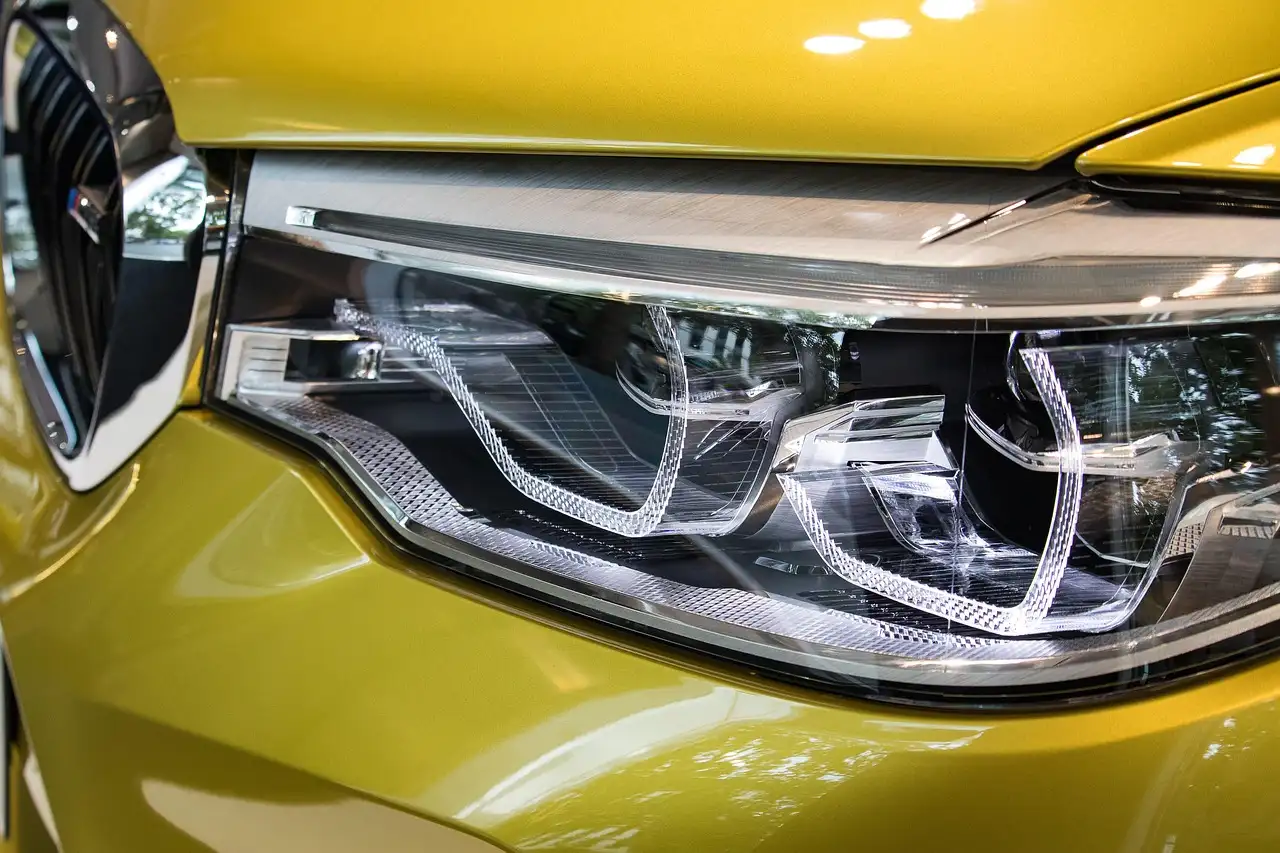
LED headlights can cause glare for oncoming drivers if the bulb, housing, or aim is wrong, and the legal result can depend on the exact setup and local rules. A bulb that fits the socket may still fail a vehicle equipment requirement if the beam pattern or conversion is not allowed in your market.
Glare for oncoming drivers
Glare usually comes from beam control problems, not from the word LED itself. A poor retrofit in a reflector housing is the classic case. The driver installing the bulb sees “brighter,” while everyone else sees extra light above the cutoff.
Why beam pattern matters more than bulb type
Beam pattern is the safety issue. If the road ahead is lit evenly and the cutoff stays where it should, the driver gains visibility without excessive spill. If the beam is scattered, the upgrade can reduce comfort for everyone nearby and still fail to improve useful seeing distance.
Why legality depends on the exact setup
Replacement bulbs and housing conversions must follow local rules and vehicle equipment requirements. That means legality can vary by market, by car, and by whether the setup is a complete LED headlamp assembly or a retrofit bulb in a halogen shell. Checking the exact rule for the vehicle matters more than assuming all LED swaps are permitted.
Frequently asked questions
Are LED headlights better than halogen headlights for my car?
Only if your car’s headlamp housing is designed for LED or the full assembly is built for that light source. In a proper setup, LED can be brighter, longer-lasting, and less demanding on the electrical system. In a halogen reflector retrofit, halogen is often the safer choice.
Do LED headlights use less power than halogen bulbs?
Yes. The same source says LED headlights are less of a drain on the vehicle’s electrical system. That said, the fuel-economy impact is usually too small to matter for most drivers. The real benefit is lower electrical load, not a dramatic mpg change.
Which type lasts longer: LED or halogen headlights?
LED lasts longer. That usually means fewer replacements and less maintenance over time.
Are LED headlights worth the extra cost over halogen bulbs?
They can be, but only in the right use case. If you drive a lot at night and the housing is compatible, the longer life and stronger output can justify the higher purchase price. If you mainly want the cheapest, simplest replacement, halogen still makes more sense.
Can LED headlights cause glare for oncoming drivers?
Yes. Glare is common when LED bulbs are fitted into housings that were designed for halogen, especially reflector housings. The problem is usually beam pattern and alignment, not the light source alone. A correct housing match is the difference between useful light and scattered spill.
Is it legal to switch from halogen to LED headlights?
Sometimes, but not everywhere and not in every setup. Local rules and vehicle equipment requirements can limit bulb swaps and housing conversions. A full LED headlamp assembly is often easier to justify than a retrofit bulb, but you need to check the exact rules that apply to your car and market.