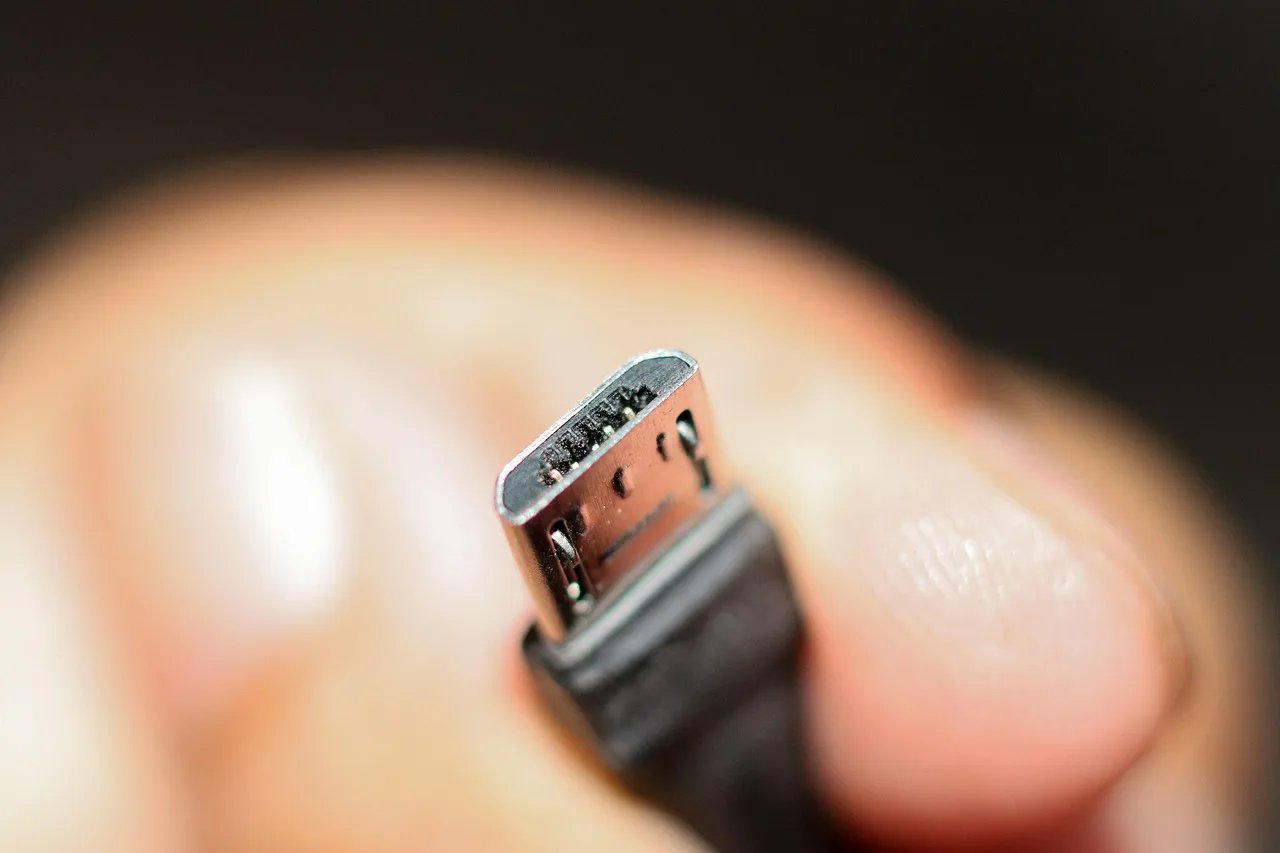
What Makes a Car Charger a Fast Charger?

A car charger is fast when it can deliver the most power your device will accept without a limit from the port, cable, protocol, or device itself; for many phones, around 18W USB-C Power Delivery or about 25W PPS is a common fast-charge threshold. If any link is weak, charging slows and money is wasted. This guide shows how to spot the limit, from connector and cable to wireless standard and device caps.
Why wattage alone is not enough
A fast car charger moves enough power through the whole chain: the car socket, the charger port, the cable, and the device. For phones, that usually means USB-C Power Delivery at 18W or higher, but the real speed still depends on what the phone will accept.
Wattage is the main number to check. Power equals volts times amps, so a charger that can supply more watts can often charge faster. But the printed wattage only matters if the cable supports it and the phone or vehicle is willing to draw that much power.
Why wattage alone does not tell the whole story
Two chargers with the same wattage can perform differently if one uses a better protocol, a better cable, or a better port. A charger can also look strong on paper and still feel slow if the phone caps input power, the battery is nearly full, or the charging system is running warm.
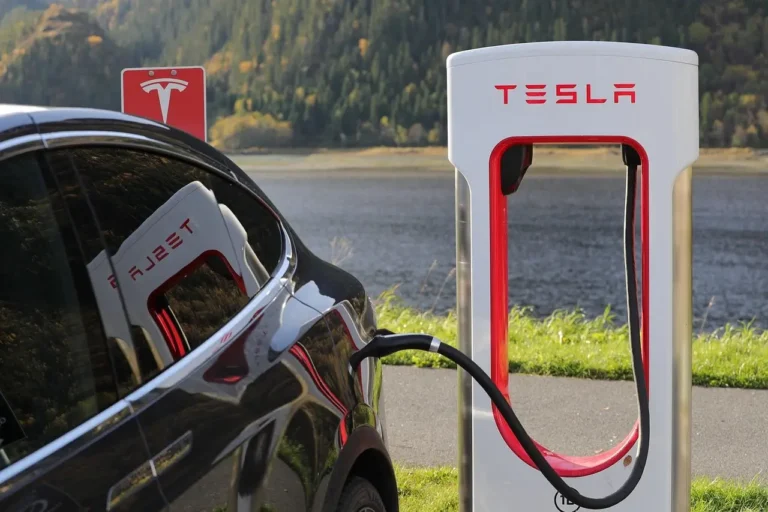
For EV charging, the same rule applies at a different scale. Fastned says people usually call charging fast at 50 kW or more, while typical fast chargers deliver 300 kW and next-generation chargers can reach 400 kW. The charger only matters if the vehicle can take the power it offers.
USB-C vs USB-A in a car
USB-C usually beats USB-A in a car because it is built for modern fast-charging standards such as USB-C Power Delivery. Wirecutter says USB-C ports must support at least 18W for top-speed phone charging, while USB-A ports should offer 12W or more for faster charging. USB-C is usually the better pick, but the device still sets the ceiling.
What 18W, 20W, 30W, 45W, and 100W mean in practice
Think of these ratings as speed tiers, not guarantees. 18W is a common fast-charge floor for phones. 20W gives a bit more headroom for many phones, and Wirecutter’s Scosche PowerVolt PD40 has two 20W USB-C ports. 30W and 45W are useful when a phone, tablet, or smaller laptop can accept more power. 100W matters when you need far more than phone-level charging.
Wirecutter’s top pick is a Nekteck PD 45W Type-C Car Charger, and it says an iPhone can reach about 54% in half an hour with that charger. That result depends on the full chain working together: charger output, cable support, and device acceptance.
When a USB-A port is still fine
A USB-A port is still acceptable for slow top-ups, older devices, or passengers who just need to keep a phone from draining. Many basic USB-A car chargers are 12W or less, so they are usually slower than USB-C PD. If you need the fastest possible phone charge, USB-A is rarely the best bet.
Suppose your car has both ports and you plug a recent phone into USB-A with a basic cable. The phone may charge, but it will usually do so at a lower rate than the same phone on a USB-C PD port with a matching cable.
What cable do you need?
The cable can cap charging speed even when the charger is strong. A good charger paired with the wrong cable behaves like a fast highway ending in a narrow lane. The cable has to match the port and the charging standard, or the charger may fall back to a slower mode.
USB-C to Lightning vs USB-C to USB-C
USB-C to Lightning is the key option for many iPhones and older Apple accessories that still use Lightning. USB-C to USB-C is the key option for many Android phones, tablets, and laptops. In both cases, the cable has to support the charging level the device and charger are trying to negotiate.
USB-C Power Delivery depends on both the charger output and cable support. A USB-C port can advertise 18W, 20W, 45W, or more, but the cable must be built for that level and the device must accept it. Otherwise, speed drops to the lower limit in the chain.
How to match the cable to the charger and device
- Check the charger port type: USB-C or USB-A.
- Check the advertised wattage on the charger body or listing.
- Match the cable to the device connector: USB-C to Lightning or USB-C to USB-C.
- Use a cable rated for the charging standard you need.
- Confirm the phone or tablet can accept the same or higher wattage.
A common first-timer mistake is buying a 45W car charger and pairing it with a cheap cable that only supports slower charging. The charger is not the problem in that case. The cable is the bottleneck.
Fast charger checklist
This checklist helps you diagnose why one car charger feels fast and another does not. Read it from left to right. The slowest weak point usually decides the real-world speed tier.
| Port type | Advertised wattage | Cable requirement | Device max input | Likely real-world speed tier | Common slowdown cause |
|---|---|---|---|---|---|
| USB-A | 12W or less | Basic USB cable | Low to moderate | Slow | Legacy port limits output |
| USB-A | 12W or more | USB cable that matches device connector | Moderate | Moderate | Port still slower than USB-C PD |
| USB-C | 18W | USB-C capable cable | Phone fast-charge support | Fast phone charging | Phone caps input power |
| USB-C | 20W | USB-C to USB-C or USB-C to Lightning | Phone or small tablet | Fast | Weak cable or warm battery |
| USB-C | 45W | Higher-rated USB-C cable | Tablet, phone, or smaller laptop | Fast to very fast | Device cannot draw full power |
| USB-C | 100W | High-power USB-C cable | High-input tablet or laptop | Very fast, if supported | Device limits, not charger |
Use the checklist this way: if the charger is rated well above the device’s max input, do not expect extra speed. If the cable is underspecced, the real-world tier drops. If the port is USB-A, the ceiling is usually lower before the phone even starts negotiating power.
Why is my car charger slow?
Slow charging usually comes from one of four places: the device, the cable, the charger, or the vehicle’s power source. A charger can be capable, but the phone may still decide to draw less power. The battery may also slow charging as it fills up or heats up.
Device limits set the top speed
Phones, tablets, and laptops each have their own charging ceiling. If a phone only accepts a certain wattage, a bigger charger will not force it to go faster. The battery management system inside the device controls how much power it can safely accept at that moment.
Temperature and charge level matter too. Many devices charge faster at a low battery percentage and slow down as they approach full. That is normal behavior, not necessarily a bad charger.
Vehicle socket and adapter quality
The car’s 12V socket and the adapter’s build quality can also matter. A loose socket, a poor spring contact, or an adapter that cannot hold its rated output can reduce charging speed. If a charger works well in one car and poorly in another, the vehicle side is worth checking.
Say your phone charges quickly from 10% to 40%, then slows sharply. That can be normal charging behavior. The same charger may look slow only because the phone has entered a more conservative charging phase.
Wireless car charging speed
Wireless car charging is convenient, but it is often slower than wired charging. Many mounts are labeled fast even though real output is limited by the wireless standard, the phone’s support, and heat. CNET notes that Qi2 wireless car chargers can provide fast 15W wireless charging, which is still lower than many wired USB-C options.
Qi, MagSafe, and Qi2 compatibility
For wireless charging to be fast, both the mount and the phone must support the same standard. Qi, MagSafe, and Qi2-compatible setups can work well, but the speed ceiling is usually lower than a wired USB-C PD charger. If one side is not compatible, charging may fall back to a slower rate.
Many wireless car chargers also need their own power source. CNET highlights a 45-watt USB-C cigarette-lighter car charger as a wireless accessory power source, which matters because the mount cannot deliver fast wireless charging unless its input is strong enough.
Why wired charging is usually faster
Wired charging avoids the extra losses and heat associated with wireless transfer. That is why a 20W or 45W wired charger often feels much faster than a wireless mount that says “fast” on the box. Wireless can be convenient. It is rarely the speed winner.
How EV fast charging differs
Phone charging and EV charging are related, but they are not the same problem. A car phone charger deals with a small battery and a low-voltage accessory socket. EV fast charging deals with high power, much higher current, and a battery system that actively limits how fast it can accept energy.
AC charging, onboard charger, and why it is slower
The same source says an external charger does the AC/DC conversion and is faster than an onboard charger. The onboard charger is built into the vehicle for AC charging, and it converts AC to DC inside the car. That extra conversion path is smaller and slower than external DC fast charging.
In practice, AC charging is usually the slower option for EVs because the onboard charger limits how much power can be converted. It is suitable for home or overnight charging, not the fastest top-up.
DC fast charger basics and typical power levels
DC fast chargers do the AC/DC conversion outside the vehicle, so the car can receive high-power DC directly. The same source says typical fast chargers deliver 300 kW, and next-generation chargers can reach 400 kW. Fast charging starts to mean something different at this scale than it does for a phone charger.
Fastned also gives a useful reference point: 400V and 125A equals 50 kW. That is enough to show why voltage and current both matter. If either one is too low, power drops.
How the BMS limits charge speed
The battery management system controls charging behavior, manages safety, and sets charge limits. That means an EV may charge fast at one point and slow later, even on the same charger. The vehicle decides how much power it will accept, just as a phone does.
Voltage and current are both part of the answer, but neither guarantees speed by itself. A strong charger can still be throttled by the battery system if temperature, state of charge, or safety limits call for less power.
Frequently asked questions
What makes a car charger a fast charger?
A car charger is fast when its port, cable, and charging protocol can deliver enough power for the device without hitting a bottleneck. For phones, USB-C Power Delivery at 18W or higher is a common threshold. For EVs, fast usually means DC charging at much higher power levels.
What cable do I need for fast charging in the car?
Use a cable that matches both the charger port and the device connector. USB-C to Lightning is the key choice for many iPhones, while USB-C to USB-C is the key choice for many newer phones, tablets, and laptops. The cable must also support the charging standard you want.
Does USB-C charge faster than USB-A in a car?
Usually yes, because USB-C is more likely to support USB-C Power Delivery and higher wattage. The same source says USB-C ports must support at least 18W for top-speed phone charging, while USB-A ports should offer 12W or more for faster charging. The device still sets the final limit.
Is 18W enough for fast charging in a car?
Yes, 18W is commonly enough for fast phone charging in a car, especially if the charger uses USB-C Power Delivery and the cable is compatible. It will not be enough for every tablet or laptop, and a phone may still charge below that level depending on its own limits.
What output does a wireless car charger need to be fast?
For wireless car charging, fast often means up to 15W, but both the mount and the phone must support it. Qi2-compatible wireless car chargers can provide fast 15W wireless charging. If either side lacks support, the speed drops, even if the mount is labeled fast.
Why is my car charger charging slowly?
Slow charging usually means one bottleneck is holding back the chain. The device may cap input power, the cable may be underspecced, the charger may be a lower-wattage USB-A unit, or the vehicle socket may be weak. Heat and a nearly full battery can also reduce charging speed.