Can You Change Normal Headlights to LED Bulbs?

Yes, sometimes, but only if the bulb is legal for the vehicle, the headlamp optics are designed for LED, and the electrical system can run it without fault codes or flicker. A bad swap can scatter glare, shorten bulb life, trigger warnings, and fail inspection. This guide separates legal fitment, optical fitment, and electrical fitment so you can tell when a simple bulb change works and when it does not.
Headlight decision table
Start with the housing, not the bulb box. A bulb can match the socket and still give poor beam control, warning lights, or an inspection failure. In many U.S. cases, replacing a halogen bulb with an LED replacement bulb in a halogen headlamp is not road-legal even if the packaging uses words like “DOT compliant,” so check the specific vehicle and local rules first.
| Housing type | Electrical compatibility | Recommended action | Common symptom and fix |
|---|---|---|---|
| Reflector halogen housing | May power on, but CANbus faults are common on some vehicles | Convert the whole housing if the beam cannot be verified on a wall test; do not assume a bulb-only swap is legal or safe | Glare, scatter, and fuzzy cutoff usually mean the optic is wrong for LED; if there is flicker or a dash warning, a vehicle-specific decoder may be needed, but that does not fix the beam pattern |
| Projector halogen housing | Often works only with LED bulbs designed for projector lens systems; some vehicles still need a decoder | Swap bulbs only if the bulb size matches exactly, the emitter position suits the projector, and the beam passes a wall check | Dark cutoff or hot spots point to poor emitter alignment; if the car reports a lamp fault, add the correct decoder only after confirming the bulb fitment is right |
| Sealed-beam-style setup | Varies by vehicle and connector; electrical load checks still matter | Convert the whole housing or use a proper replacement assembly rather than a random LED bulb retrofit | Poor focus or an uneven beam means the original sealed-beam optic is not matching the LED source; if the vehicle flags a power difference, a decoder may help the warning but not the light pattern |
Verdict: if the beam pattern is clean and the car stays free of faults, swap bulbs; if the lamp works but the car reports a power-detection problem, add decoder; if the optics scatter light or the cutoff is wrong, convert the whole housing.
Can you change normal headlights to LED bulbs?
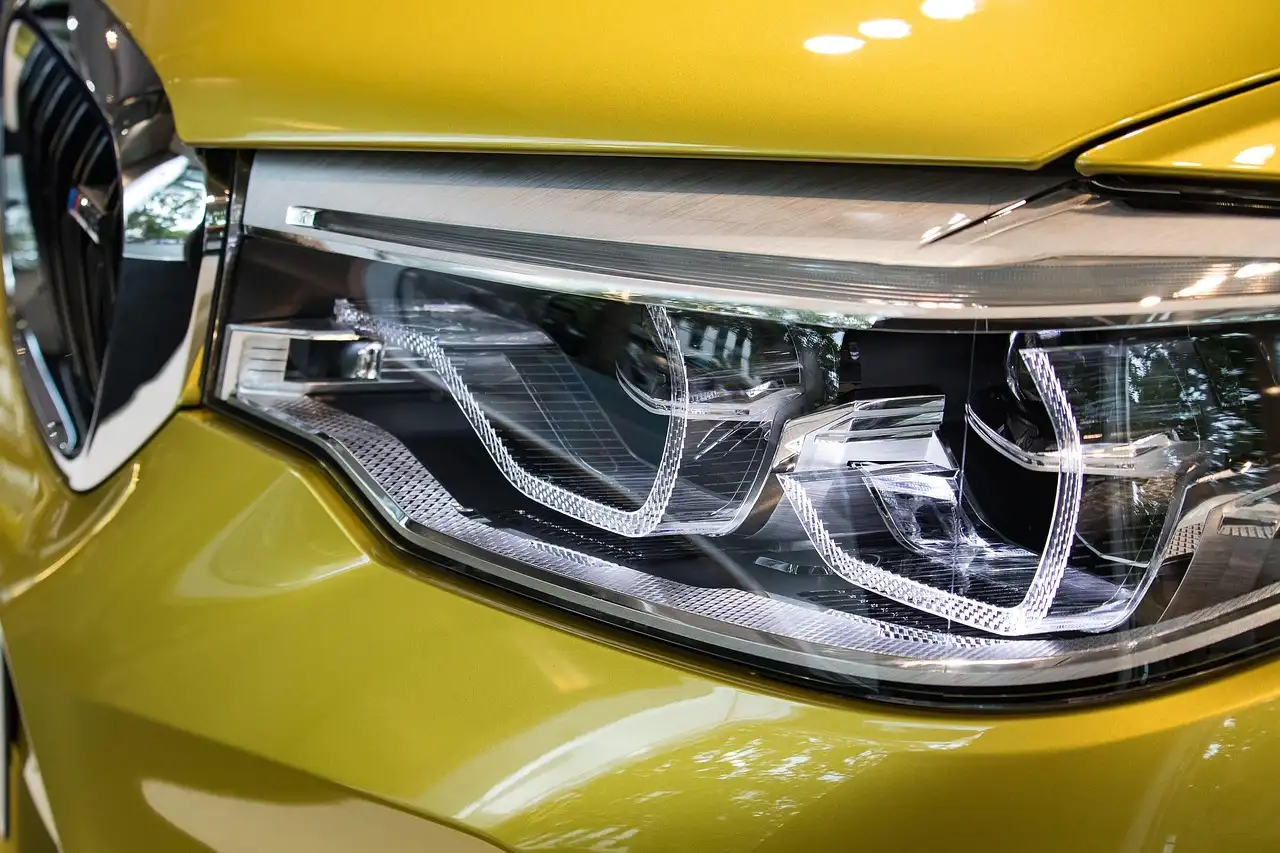
Yes, some vehicles can take LED retrofit bulbs, but a bulb swap only works when the socket, housing optics, and electrical system all match the LED. The original halogen bulb size matters, but it is only the first filter. If the housing is wrong for LED, the beam can look bright and still perform badly.
What has to match before the swap?
The bulb base must match exactly, and the housing has to control light from that LED source. Common retrofit sizes include H1, H4, H7, H11, 9005, and 9006, but the right size alone does not guarantee fitment or legal use. The old LaVida uses H7 bulbs for both high and low beams, which shows why vehicle-specific checking matters.
Why a bulb can fit but still fail
Halogen housings are built around a filament placed at a specific point. LED bulbs place their emitters differently, and that changes where the light lands inside the reflector or projector. A bulb can lock into the socket, yet still throw stray light upward, leave a dark cutoff, or look uneven across the road.
- Check the bulb size. Confirm the exact halogen base in the owner’s manual or the parts listing for your trim. Match the bulb size exactly. Do not guess by bulb shape alone, because H7, H11, 9005, and 9006 are not interchangeable.
- Identify the housing type. Look for reflector bowls, projector lenses, or sealed-beam-style units. That tells you whether the optic can control an LED source or whether the whole assembly is the wrong match.
- Check electrical support. If your car monitors lamp power, expect possible fault codes, flicker, or shutoff unless the bulb and vehicle are compatible. Some models need a decoder because the vehicle detects headlight power differences.
- Verify legality. Check local rules and the vehicle’s lighting requirements before buying. Federal safety standards and state inspection rules can differ, and a bulb that fits may still fail the road-legal test.
Picture a sedan with H7 halogen bulbs in a reflector housing. The LED bulb powers on and looks white, but the beam sends light into the treetops and the dash shows a lamp warning. That is not a bulb-size problem alone; it is an optical and electrical mismatch.
Do LED headlight bulbs fit halogen housings?
Sometimes they physically fit, but physical fit is not the same as proper fit. Halogen housings were designed around a filament, a reflector shape, and sometimes a lens that expect a very specific light source. An LED retrofit can click into place and still produce a poor beam, especially in reflector housings.
Reflector headlights and glare risk
Consumer Reports says reflector headlights use a reflector to bounce light forward. That design is sensitive to where the source sits, so an LED emitter that misses the halogen filament position can create light scatter and glare. Alignment matters more here than many people expect. (Consumerreports)
Projector headlights and cutoff quality
Consumer Reports defines projector headlights as using a lens that focuses and directs the light outward. That lens can reduce glare when the bulb matches the optic, but it is not a free pass. If the LED emitter geometry is off, the cutoff can go fuzzy or develop bright patches and dark areas.
Sealed-beam-style limits
Sealed-beam-style systems are even less forgiving because the light source and the housing are treated as one optical unit. A replacement LED bulb often cannot recreate the original beam shape cleanly. In those cases, a proper housing or assembly change is usually the better path.
Suppose a compact car uses a projector with an H11 halogen bulb. A cheap LED retrofit makes the near field bright, but the cutoff line loses definition and oncoming drivers would see stray light. That is a sign the bulb and the lens are not paired well, even though the socket fits.
Do you need a decoder or CANbus adapter?
Maybe. A decoder helps with electrical compatibility, not optical fit. If the car detects the LED as a failed bulb because it draws different power than a halogen bulb, you may get flicker, lamp-out warnings, or headlights that shut off briefly. If the beam is wrong, a decoder will not fix that.
Flicker and dash warning symptoms
Some models need a decoder because the vehicle detects headlight power differences. That can show up as strobing at startup, a warning icon on the dash, or intermittent light output. Those symptoms point to power-detection issues, not to a bad beam pattern by themselves.
When the issue is power detection, not fitment
If the bulb is the correct size and the housing is otherwise acceptable, a decoder or error canceller can help the car see the load it expects. That is a vehicle-specific fix. It is useful only when the problem is CANbus compatibility or lamp monitoring, not when the optic sends light in the wrong direction.
- Install one side first. Test a single headlamp before finishing both sides. That makes it easier to spot flicker, dash errors, or a beam pattern mismatch without doubling the work.
- Watch for faults. Turn the lights on, then check the dash and the first few seconds of operation. If the light pulses, cuts out, or triggers a warning, the vehicle may need a decoder.
- Fit the decoder correctly. Use the adapter the manufacturer lists for that vehicle and bulb family. Follow the vehicle and product manual, never work under a vehicle held only by a jack, never exceed the vehicle’s rated roof/hitch/tow limit, keep items out of airbag zones and the driver’s view, and check local laws.
Will LED bulbs work in projector headlights?
They can, but only when the LED bulb is built for projector lens systems and its emitter position matches the projector’s focal point. A projector can produce a clean cutoff with LED, yet many retrofits still fail because the light source sits too far forward, too far back, or off-axis.
Emitter position and beam focus
Projector headlight compatibility depends on using bulbs designed for projector lens systems. Common projector-compatible bulb sizes listed include H1, H4, H7, H11, 9005, and 9006, but the emitter layout is what shapes the beam. The wrong geometry can soften the cutoff or shift the hot spot out of place.
When a projector still gives a bad pattern
A projector is usually better than a reflector for controlling glare, but it is not automatic. If the LED creates a dark cutoff, uneven fill, or an odd bright band, the lens is not getting the light where it needs it. In that case, changing the bulb again may not help; the housing may need a different source or a proper retrofit.
The guide recommends 6000K color temperature for projector LED bulbs. That sits in a broader 4500–6500 K range many drivers consider for visibility, with 6000 K and 6500 K often chosen for stronger contrast and cleaner legibility in dry conditions. Higher color temperature does not fix a poor beam, though, and it can make bad optics more obvious.
How to check legality and beam pattern
Legality and beam quality are separate checks. DOT compliance and local rules tell you whether the conversion is allowed, while the wall test tells you whether the light pattern is controlled. A bulb that passes one check can still fail the other, and both matter before you keep the setup.
DOT compliance and local rules
Verify that the exact vehicle, lamp housing, and replacement part are allowed under your local road rules and federal safety standards. Do not rely only on package language. If the manufacturer does not list your car as compatible for that lamp type, treat the swap as unproven.
Simple wall check after installation
Park on level ground facing a wall, keep the car at the distance your owner’s manual recommends if it gives one, and compare the beam from each side. The cutoff should be even, the hot spot should sit where the original beam was, and the light should not flare above the cutoff or spread broadly across the wall.
What glare, scatter, and dark cutoff look like
Glare shows up as light above the cutoff or in the wrong lane. Scatter looks fuzzy and wide instead of shaped. A dark cutoff means the projector or reflector is not getting enough usable light into the road zone, even if the bulb appears bright in the garage.
Frequently asked questions
Do I need a decoder for LED headlights?
Maybe. If the car detects a power difference and throws a bulb-out warning, flickers, or shuts off the lights briefly, a decoder may be needed. Some models need one because the vehicle detects headlight power differences, but a decoder will not fix glare or a poor beam pattern.
Can LED bulbs cause glare in reflector headlights?
Yes. The same source says reflector headlights use a reflector to bounce light forward, and that design is sensitive to source position. If the LED emitter does not sit where the halogen filament did, the beam can scatter and create glare for other drivers even when the light looks bright.
Which bulb size do I need for my car?
Check the owner’s manual or the vehicle-specific parts listing, then match the socket exactly. The old LaVida, for example, uses H7 bulbs for both high and low beams.
Do LED headlights use less power than halogen?
Yes. The same source says LEDs use less energy than halogen and HID lights. Lower power draw can reduce electrical load, but it can also confuse lamp-monitoring systems on some vehicles, which is why a decoder may be needed in certain cases.