How to Clean and Maintain a Vent Mount for Better Grip

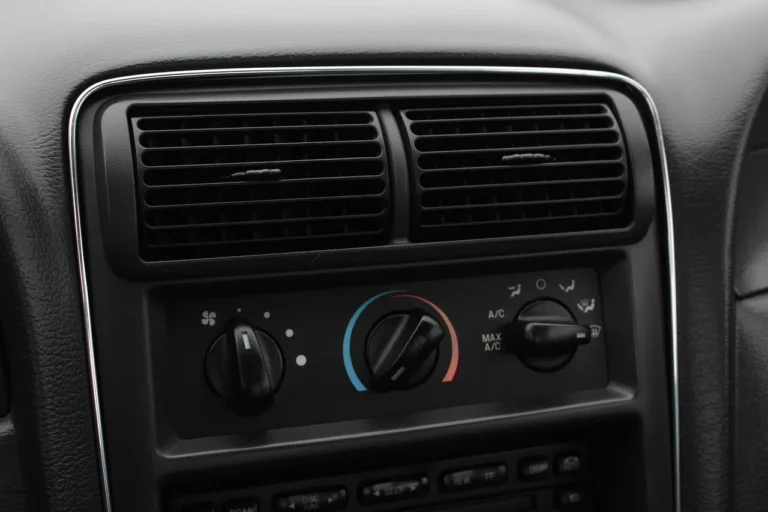
Clean the clip and rubber contact points with about 70% isopropyl alcohol, let them dry fully, then check for bent vent blades or heat-warped plastic; if grip is still weak, replacing the mount is a common next step. A slipping mount can drop your phone, block controls, and scuff vent trim. This guide shows how to diagnose contamination, wear, heat damage, and vent fit in the right order, then restore holding power.
Why vent mounts start slipping
Most grip loss comes from one of four places: dirt on the contact pads, a vent blade that cannot hold the bite depth, heat-damaged plastic, or a phone setup that exceeds the clamp’s clearance. Start with contamination, then inspect the vent, then check case thickness, because those problems need different fixes.
Vent clips work by biting into a slat and holding a locked position at a set rotation angle. Hook, spring, and clamp styles all depend on friction, and silicone contact pads lose that friction fast if they pick up skin oil, dust, or dashboard film.
What you’ll need
- Microfiber cloth
- Cotton swab or soft brush
- 70% isopropyl alcohol or another alcohol-safe cleaner
- Mild soap and water for removable plastic parts, if the maker allows it
- Compressed air for dust removal
- Dry towel or paper towel
- Optional: a flashlight for checking vent slat damage and pad wear
How to clean and retighten the mount
- Remove the phone first. Take the phone off before touching the clip or quick-release button. That keeps the mount from twisting under load and makes it easier to inspect the moving parts.
- Blow out loose dust. Use short bursts of compressed air around the vent clip, hinge, and pad edges. Follow with a dry microfiber cloth so loose grit does not grind into the silicone contact surface.
- Wipe the contact pads. Dampen a microfiber cloth or cotton swab with 70% isopropyl alcohol and clean the friction surface, not the entire mount body. Let it dry fully before reinstalling; wet pads can slip for several minutes.
- Check the vent slats. Inspect for bent, cracked, or oily blades, especially on thin slats and fragile blades. If the mount uses a hook or clamp, make sure the bite depth matches the slat thickness and that the blade is not flexing under the clip.
- Retighten the lock. Rotate the mount into its locked position and tighten any thumb wheel, spring tensioner, or clamp knob about one turn or one click at a time. Recheck after each adjustment so you do not crush a fragile vent blade.
- Test with the phone attached. Reinstall the phone and tug gently downward, then side to side. If the mount still wiggles, move to a different vent, reduce case bulk, or replace worn pads and moving parts.
Why does your vent mount slip?
Dust and oil buildup are the most common causes. If the silicone pads feel slick or glossy, clean them first; if the pads look cracked or hard, cleaning will not restore friction. Loose vent blades and heat damage come next, because they change the clip’s bite even when the pads are clean.
Dust and oil buildup
Skin oil, dashboard film, and road dust coat the friction surface and reduce clamp force. Clean the pad with 70% isopropyl alcohol and a microfiber cloth, then use a cotton swab around seams and hinge points. If the pad stays shiny, it may be hardened rather than dirty.
Loose vent blades
Horizontal vents usually hold better than vertical vents because the clip can load the slat from below, but the real issue is blade stiffness. Thin slats, round vents, and brittle plastic often flex too much for a deep bite. If the blade wobbles before the mount locks, move the mount or replace the vent trim.
Heat damage and warping
Heat and cold can both change grip. Summer heat may soften pads and warp plastic; winter cold can make silicone feel stiffer and less compliant. If the mount was parked in direct sun and now the clip sits crooked, the plastic has likely shifted out of shape and needs replacement.
Do horizontal vents hold better?
Horizontal vents often give more stable support because the clip can settle against a wider slat and resist downward pull from heavier smartphones. Vertical vents can still work, but they depend more on clamp shape, blade stiffness, and how much rotation angle the mount needs to reach its locked position.
Round vents are the least predictable. Thin slats can slip under heavy clamp pressure, while reinforced blades usually handle hook-style or spring-style clips better. If the mount keeps drifting after a few bumps, the problem is often vent shape, not the phone.
Horizontal versus vertical vents
Horizontal vents usually give the clip a cleaner bite depth and less twist. Vertical vents can work when the mount is designed for them, but they often let the phone swing more on rough roads. A mount rated for both horizontal and vertical vents is more forgiving, but still not universal.
Thin slats versus thick slats
Thin vent slats can crack if the hook digs in too deeply. Thick slats may stop a shallow clip from closing fully. Phandroid notes that some AUKEY mounts fit both thick and thin vents, which is the kind of range that matters when you move between vehicles.
Round vents and fragile blades
Round vents often need a different mounting shape because a straight hook can slip off the curve. Fragile blades should get low clamp pressure and minimal rotation force. If the vent blade flexes when you press on it by hand, do not use a stronger squeeze to compensate.
Can a thick case still fit?
Sometimes, but not always. A bare phone gives the clamp the most clearance, while a thick case adds width, corner bulk, and sometimes a magnetic plate that changes contact height. The mount must have enough travel to close firmly without forcing the arms wide open.
Case material matters too. Soft TPU can compress slightly; rigid shells and battery cases resist the clamp and reduce grip. Some mounts fit bulky cases, and Rolling Stone says some are designed for extreme heat and cold, but case size still has to stay within the holder’s mechanical range.
Bare phone versus cased phone
A bare phone usually sits deeper in the cradle and reduces wobble. A cased phone may need more clamp pressure to stop sway, especially if the device is heavier. If the mount only holds when the arms are nearly maxed out, the fit is too close for daily use.
Clamp pressure and case material
Increase pressure only until the phone stops shifting. More force is not better if it starts bowing the case or twisting the vent blade. For one-handed release stability, the phone should come out cleanly without the mount springing loose after each removal.
Magnetic plate clearance
Magnetic mounts need enough gap for the plate and case back to sit flat. A thick case can push the phone too far away from the magnet and weaken hold on bumps and potholes. WixGear says its magnet design can handle bumps and sudden stops, but magnetic alignment still depends on clearance.
Vent mount troubleshooting matrix
Use this table to separate temporary cleaning from wear that needs replacement. Clean contamination first. Replace parts only after the vent blade, pad, or mechanism has failed mechanically.
| Symptom | Likely cause | Cleaning or adjustment step | Replacement threshold |
|---|---|---|---|
| Pad feels slick or glossy | Dust or oil buildup on the silicone contact pad | Wipe with 70% isopropyl alcohol and a microfiber cloth; finish with a dry cloth | Replace if the surface stays hard, cracked, or shiny after cleaning |
| Clip will not stay anchored | Loose vent blades or incorrect bite depth | Move to a stiffer slat and tighten the lock one click or one turn at a time | Replace if the slat bends, cracks, or cannot hold the clip at all |
| Pad no longer grips | Hardened silicone pads | Clean once, then test again after full drying | Replace if the pad feels stiff, glazed, or permanently flattened |
| Arm sits crooked | Heat warping | Re-seat the mount at the correct rotation angle and test on a cooler vent area | Replace if the body no longer sits square or the clip will not align |
| Mount will not close around the phone | Thick-case interference | Remove the case or switch to a mount with more clamp travel | Replace if the arms are already at full travel and still cannot grip |
| Phone sways on bumps | Vibration wobble from loose joints or weak vent support | Tighten every joint, then move the mount to a reinforced slat | Replace if the hinge, ball joint, or quick-release latch still rattles |
Common mistakes
Do not blast the whole mount with harsh cleaner. Alcohol-safe cleaner should go on the pads and dirty contact points, not into the spring housing or quick-release mechanism. Too much liquid can wash grit deeper into the moving parts.
Do not force a hook onto a fragile blade. Do not assume a magnetic mount ignores case thickness. And do not keep tightening a worn spring until the vent slat bows; that only hides the wear until the next pothole.
Quick-release mounts also wear over time. If the button, latch, or release lever feels loose after repeated repositioning between vehicles, the moving parts may be past the point where cleaning helps.
Frequently asked questions
How do I make my vent phone mount grip better?
Clean the silicone contact pads with about 70% isopropyl alcohol, let them dry fully, and retighten the clip on a stiffer vent slat. If the mount still slips, remove a thick case and retest. The quickest path is always clean, dry, then re-seat before replacing anything.
Why does my vent phone mount keep falling off?
Most failures come from dirty pads, weak vent blades, or a clip that no longer matches the slat thickness. Check for bent plastic first, then test on another vent. If the holder falls off even on a reinforced blade, the clip or spring is worn out.
How do I clean a vent phone mount without damaging it?
Use a microfiber cloth, a cotton swab, and a small amount of 70% isopropyl alcohol on the contact pads only. Avoid soaking the hinge or quick-release button. If dust is packed into seams, use compressed air first, then wipe again after the parts dry.
What can I use to restore grip on a vent phone mount?
Use cleaning first, not adhesive. Alcohol-safe cleaner removes oil, compressed air clears grit, and a dry microfiber cloth finishes the job. If the silicone pad has hardened or cracked, no cleaner will restore its friction surface, so pad replacement becomes the practical fix.
Do vent phone mounts work better on horizontal or vertical vents?
Horizontal vents usually give a steadier bite because the clip can load the slat more evenly. Vertical vents can still work if the mount is designed for them, but they often need better blade stiffness. A mount rated for both can help, though vent shape still matters.
Can a vent phone mount hold a phone with a thick case?
Yes, if the clamp has enough travel and the case does not block magnetic plate clearance. Thick cases reduce clamp pressure margin, so test the holder with the phone fully cased before relying on it for daily driving. If the arms sit near the stop, the fit is too tight.
How do I stop a vent phone mount from wobbling on rough roads?
Tighten every joint, move the clip to a firmer slat, and keep the phone as close to the vent as possible. Heavier smartphones need more support against bumps and potholes. If the quick-release latch or swivel still shakes, the mount’s wear is past simple adjustment.
When should I replace a vent phone mount instead of cleaning it?
Replace it when the pads are hardened, the vent blade is bent, the body is warped, or the clamp no longer closes with firm pressure. Cleaning fixes dirt. It does not fix cracked silicone, loose springs, or a latch that rattles every time you hit a bump.