Do Vent Phone Mounts Affect Navigation Visibility?

A vent phone mount can help navigation visibility when it keeps the screen within a quick downward glance and stays firm. If it sits below eye level, blocks airflow, or wobbles, it usually adds distraction instead. Poor placement can force longer eye-off-road looks and make tap targets harder to hit. This guide explains when vent mounts help, when they hurt, and how to judge vent strength, screen height, and airflow tradeoffs.
Do vent phone mounts block your view?
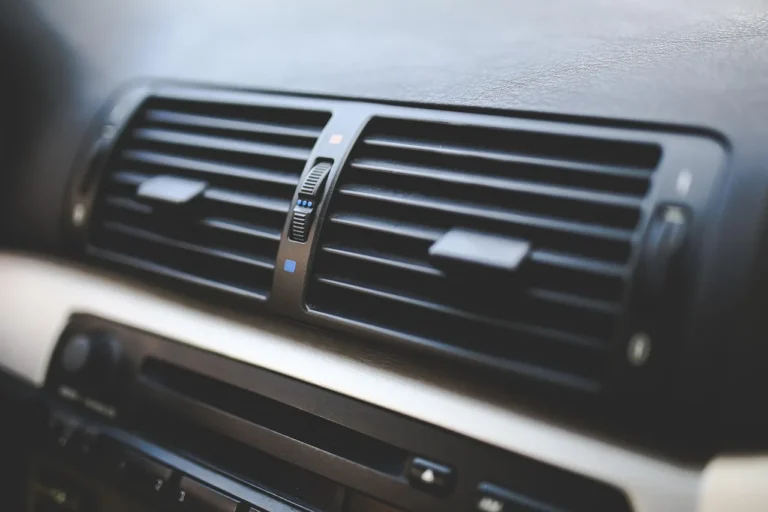
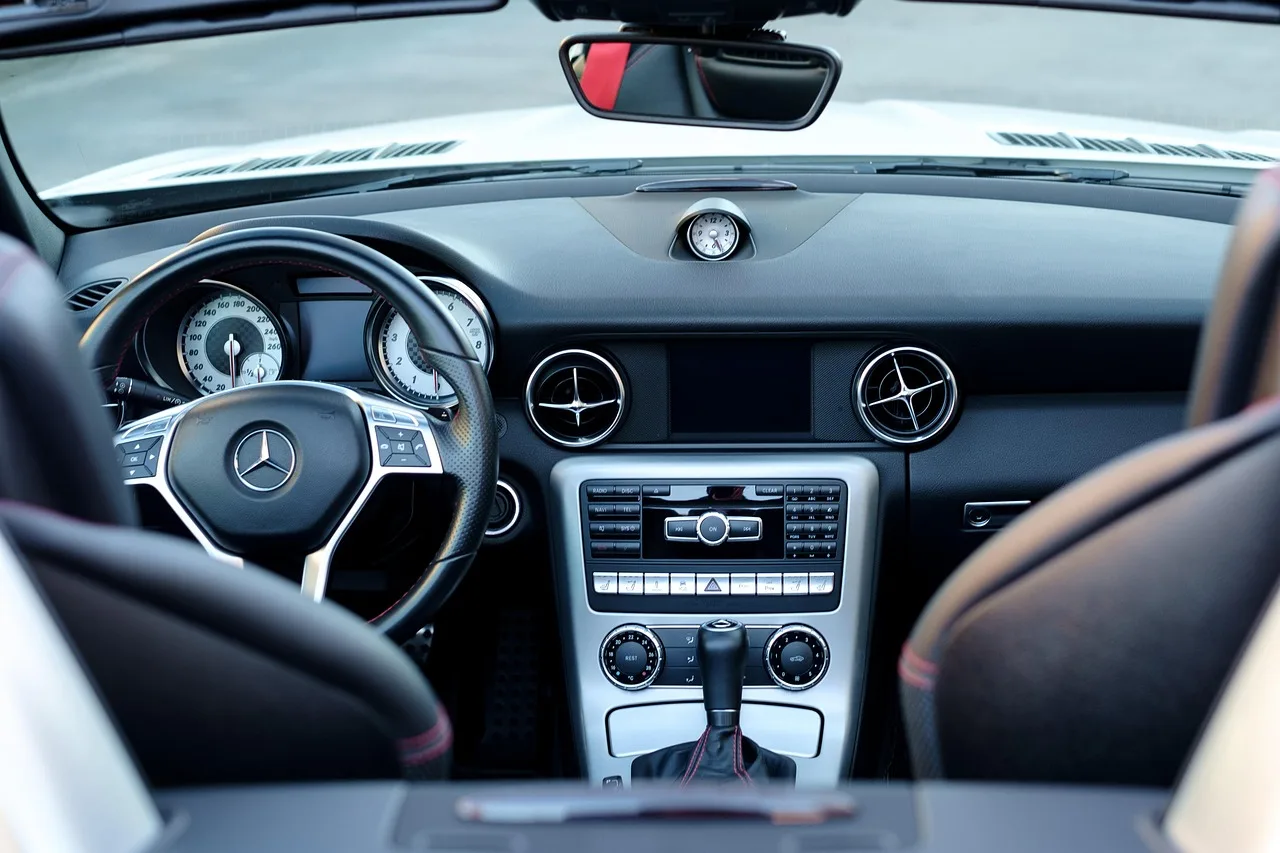
A vent mount usually does not block the road view the way a windshield mount can, but it can still hurt sightline quality if it sits low enough to pull your eyes far below the natural glance zone. In small cars, that extra head movement matters more because the dash, mirrors, and windshield already compete for attention.
Natural glance zone matters more than “visible”
The more useful question is whether the phone sits close enough to the normal line of sight to avoid a long downward look. It is whether the screen sits close enough to your normal line of sight that you can confirm a turn without a long downward look. A mount that is visible but low on the center stack can still increase glance time.
Say your sedan has short dash height and a phone mount clipped to the lowest center vent. The screen may be easy to read, but every map check now requires a deeper head dip than a dash mount placed just above the center controls. That extra movement can interfere with mirror checks and nearby buttons.
Why small cars feel tighter
Small cabins often leave less separation between the steering wheel, dash, and windshield. That makes any low mount feel farther away from the eye line, even if the absolute distance is not large. The result is more frequent refocusing and a higher chance of missing a lane cue or exit sign.
Windshield obstruction is a separate issue. A good vent mount keeps the screen visible without blocking the windshield, but it can still be a poor fit if it sits where your eyes naturally fall during traffic checks. In other words, “not on the glass” helps, but it is not enough by itself.
Can vent mounts make driving more distracting?
Yes, if the mount forces extra glances, shakes on bumps, or makes tapping harder because the phone is too low or off angle. Navigation app use adds distraction through repeated glances, and the risk can rise when the screen is hard to read, voice guidance is off, or the mount does not hold steady.
Glance frequency and readability
Navigation apps are useful because they give quick access to maps and calls while keeping focus on the road. The tradeoff is that every look away from traffic matters; taking eyes off the road for a few seconds raises accident risk. A higher, clearer screen reduces the number of corrective glances needed.
Screen readability is part of distraction control. If the text is too small or the mount sits at a steep angle, drivers often lean or glance twice: once to find the route and again to confirm the turn. Voice guidance can reduce that pattern, especially on highway drives where lane changes happen faster than surface-street navigation.
Wobble, tilt, and detachment risk
A clamp mount with a rotation or tilt joint helps you aim the screen, but that joint must stay firm over bumps. Heavy phones And thick cases put more load on the clip, which can create sagging, wobble, or a slow downward tilt on weak vents. Loose vents can sag under a mount.
Clamped vent mounts are usually more stable than loose grip styles, but only if the vent slats are firm and the clip matches the shape. Round vents and soft slats can make the mount rotate or slip, which means the phone may drift out of the natural glance zone during the drive.
Do vent mounts block airflow?
Some mounts only trim airflow from one vent, which may be manageable in mild weather, while others cover enough of the outlet to disrupt heating, cooling, or defrost performance. The difference between partial airflow reduction and full obstruction matters because each affects comfort and safety in a different way.
Partial reduction versus full obstruction
A mount that blocks part of an outlet can reduce airflow on that side without shutting the system down, and it may affect defrost, warm-up, or cooling. That may be fine on a cool day. It is a different case from a mount that blocks most of the outlet, which can weaken defrost, slow cabin warm-up, or reduce cooling on a hot day.
Horizontal vents often accept clips more easily than round vents, but fit still depends on slat firmness. Vertical vents can work if the clip grips evenly, though they may let the mount twist under phone weight. Round vents are the least predictable because many clips cannot seat cleanly on them.
Heat, cooling, and defrost tradeoffs
If the mount sits on a vent used for defrost, the risk is higher than if it sits on a side vent used mainly for cabin comfort. In wet or cold weather, blocked airflow can matter more than during a short summer commute. That is why location matters as much as clip style.
Vent mount decision matrix
This matrix compares three driving scenarios against the five factors that most often decide whether a vent mount is sensible, conditional, or a poor fit. Use it as a text-only check before buying or installing one.
| Scenario | Sightline height | Airflow blockage | Vent strength | Phone weight and case thickness | Legal risk |
|---|---|---|---|---|---|
| Short commute | Suitable: If the screen sits near the natural glance zone and stays above the lower dash, the quick route check is usually efficient. | Conditional: Light airflow loss is often tolerable, but avoid using a defrost vent because even short trips may need clear airflow. | Suitable: Firm horizontal slats usually hold best; sagging or loose slats move this to avoid. | Conditional: A slim phone and normal case are fine; a heavy phone or thick case can start wobble on rough streets. | Conditional: Lower risk than a windshield mount, but blocked-view rules still matter if the mount sits too high or intrudes into the eye line. |
| Long highway drive | Conditional: A higher vent can help with quick map checks, but a low mount creates repeated head dips over a longer period. | Suitable: Mild blockage is easier to accept on steady highway driving if the vent is not needed for defrost or cooling fatigue control. | Conditional: Stable vents are fine; weak or vertical slats that twist on bumps are a poor match for long-distance use. | Avoid: Heavy phones and thick cases increase swing and detachment risk over long, uneven pavement. | Conditional: Usually manageable if the mount stays low and clear, but local windshield restriction rules still apply if placement creeps upward. |
| Rideshare or high-navigation use | Conditional: A higher screen can cut repeated map checks, but only if it stays out of the windshield view and does not crowd mirrors or controls. | Avoid: Constant app use makes airflow loss more noticeable, especially in hot weather or while waiting curbside. | Conditional: Only firm, well-matched vents are acceptable; weak slats or round vents are poor choices under repeated use. | Avoid: Frequent taps, large phones, and thick cases demand stronger grip than many vent clips can provide. | Conditional: Compliance depends on region, and blocked-view or airbag-interference rules deserve extra attention when the mount is used all day. |
What should you check before buying one?
Check vent shape, slat firmness, phone weight, and how much case thickness the clip can handle before you buy. A mount that fits one car well can fail in another if the vent slats flex, the phone is heavy, or the clamp cannot hold the angle over bumps.
-
Check the vent geometry. Look for horizontal, vertical, or round vents before opening listings. Horizontal slats usually give the best support. Round vents often need a different mount style, and some vent clips will never sit securely on them.
-
Test slat firmness. Press the vent slats gently with a finger. If they flex, sag, or already feel loose, the mount is more likely to droop with phone weight. That matters because a low-angle droop can move the screen out of the natural glance zone.
-
Match clamp to phone load. A slim phone with a thin case is easier to hold than a heavy phone in a thick case. If the clamp is meant for a magnetic setup, check whether the phone is MagSafe-compatible or whether it relies on a metal plate. Heavy phones need stronger hold strength than many magnets provide.
-
Confirm joint control. A rotation or tilt joint should move easily, then stay fixed. If it droops after a few bumps, the mount will drift into a worse viewing angle and increase tap errors. One-hand release should be simple, but not so loose that the phone pops out on rough roads.
-
Check legal fit. Make sure the mount does not create windshield restriction risk, block a mirror, or sit near an airbag path. Many places ban devices that block the driver’s view, and local rules vary. Dashboard or windshield suction mounts avoid vent compatibility issues, but they bring their own visibility checks.
Picture a compact hatchback with small side vents and a thick-cased phone. The clip holds for the first week, then starts to tilt after repeated road vibration. The screen is still visible, but the angle keeps slipping lower, which means more glance correction every time the route changes.
Are vent mounts safer than windshield or cup-holder mounts?
Sometimes, but not always. Vent mounts can be safer than windshield mounts when they keep the screen visible without blocking the glass, yet a cup-holder mount can be better when the vents are weak, the phone is heavy, or the cabin layout puts the vent too low for comfortable glances.
When vent mounts beat windshield mounts
Vent mounts are often the better choice when windshield placement would block part of the road view or run into blocked-view rules. They can also reduce the need to look around a tall suction arm on the glass. For drivers who want quick map checks without windshield clutter, that is a real advantage.
When cup-holder mounts are the better fit
A cup-holder mount can be the safer swap if the vent slats are weak, the vent is round, or the phone is heavy enough to sag the clip. It also avoids airflow obstruction from the vent itself. The tradeoff is that the screen usually sits lower, so the driver may need a longer downward glance.
When a dash mount is the safer swap
A dash mount is often the better middle ground when the vent sits too low or when the mount keeps drifting out of the natural glance zone. It avoids vent compatibility issues and can place the phone closer to eye level without touching the windshield. That can reduce both wobble and the need for repeated correction.
A common mistake is picking a vent mount without checking whether it blocks the road view or forces the driver to glance away too often. A strong vent is not automatically better than a stable dash pad, and a cup-holder mount is not automatically worse than a shaky clip. The right choice depends on eye-line height, airflow needs, and whether the mount stays put on the actual road.
Frequently asked questions
Do vent phone mounts block your view of the road?
Usually not in the same way a windshield mount can, but they can still interfere with the driver’s sightline if they sit too high, crowd the mirror area, or force repeated downward glances. A safe vent placement keeps the screen visible without pulling attention far from the natural glance zone.
Can a vent phone mount make driving more distracting?
Yes. If the mount wobbles, sits low, or makes the screen hard to read, it increases glance frequency and can lead to more tap corrections. Voice guidance helps, but the mount still needs to stay firm and readable so the driver does not keep rechecking the route.
Are vent mounts safer than windshield mounts?
Often, but not always. Vent mounts can reduce windshield obstruction and may fit better with blocked-view rules, while windshield mounts may offer a more direct eye-line location in some cars. The safer option is the one that stays stable, avoids legal issues, and does not crowd the driver’s view.
Will a vent mount block airflow from my car vent?
It can, and the effect ranges from mild airflow reduction to major obstruction. If the mount covers only part of a side vent, the loss may be small. If it sits on a defrost vent or blocks most of the outlet, the impact on heating, cooling, or defogging can be much more serious.
Can vent mounts affect visibility in small cars?
Yes. Small cars often have tighter sightlines, so a low vent mount can force more head movement than the same mount would in a larger cabin. That makes the screen feel farther from the natural glance zone and can interfere with mirror checks, dash controls, or quick lane scans.
Are vent phone mounts legal if they touch the windshield or vents?
That depends on local rules. Many places ban devices that block the driver’s view, and some also restrict anything that interferes with airbags or sightlines. A vent mount that stays on the vent and out of the windshield view is usually easier to justify, but regional compliance still matters.