
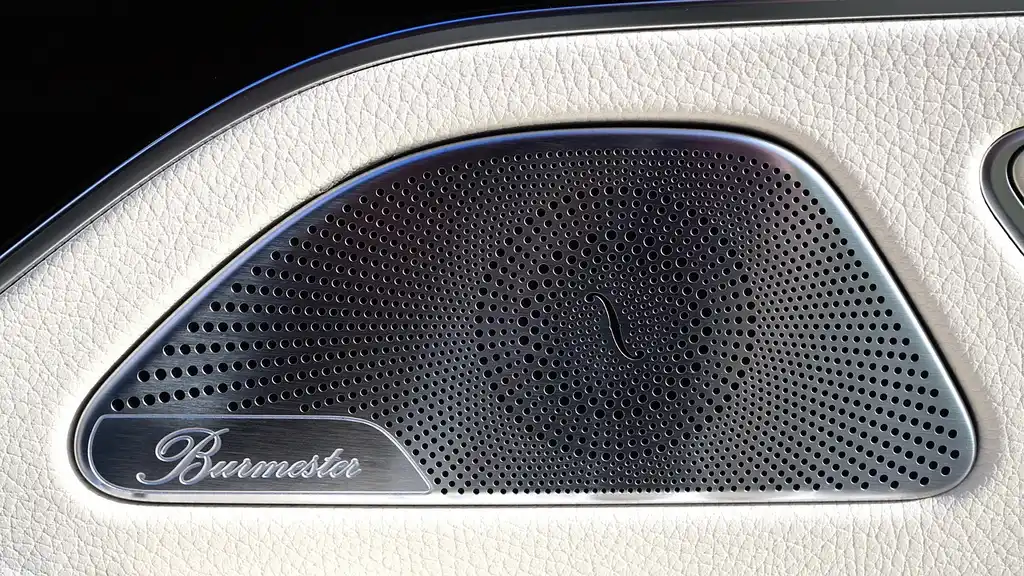
What Are Component Speakers in a Car and How Do They Work?

Component speakers split bass, midrange, and treble across separate woofers, tweeters, and crossovers, so each driver handles the range it reproduces best. That usually gives cleaner sound than coaxial speakers. Install them badly or ignore cabin acoustics, and you can end up with sharp highs, weak imaging, and wasted money. This guide explains driver placement, crossover design, and how the car’s interior shapes what you hear.
What are component speakers?
Component speakers typically use separate woofer and tweeter drivers with an external passive crossover. The woofer usually goes in the door panel area, while the tweeter can be mounted higher in the cabin, often in the dash or A-pillar. That split gives you more control over placement than a one-piece speaker.
How they differ from coaxial speakers
Coaxial speakers, also called full-range speakers, place the tweeter, woofer, and crossover in one unit. They can be two-way or three-way designs, and they are easier to fit because the parts stay together. Component systems are less compact, but they give you more freedom to place the tweeter where it sounds best.
The practical difference is simple. Coaxials are built for speed and convenience. Components are built for placement control and tuning.
How do component speakers work?
Component speakers typically send low and mid frequencies to the woofer and high frequencies to the tweeter through a passive crossover. That crossover helps protect the tweeter from bass it cannot handle and keeps each driver focused on the band it usually reproduces best. The result is cleaner separation between instruments and voices.
Frequency split in the cabin
The crossover is doing more than splitting signal paths. It keeps the tweeter away from low frequencies that can distort it or damage it. A well-matched system also makes the transition between woofer and tweeter less obvious, so the sound feels more coherent from the driver’s seat.
Cabin acoustics matter because a car is a small, reflective space with uneven distances to each speaker. Sound from the left and right sides reaches your ears at different times and angles. That is why placement and crossover setup matter as much as the speaker parts themselves.
Why does tweeter placement change sound?
Tweeter placement can change sound because high frequencies are directional. Mounting the tweeter higher in the cabin, often in the dash or A-pillar, usually improves imaging and soundstage because the sound arrives from a more natural height. On-axis placement often gives more direct treble, while off-axis placement can soften it.
Dash and A-pillar placement
A tweeter in the top part of the door panel can work, but it usually sits lower than ideal. A dash or A-pillar mount puts the tweeter closer to ear level and can help the stereo image feel centered instead of pulling toward the floor. That matters most when you want vocals to sound like they are coming from in front of you.
Suppose a sedan has tweeters mounted low in the door and the listener hears cymbals coming from near the knees. Moving the tweeters higher does not change the recording. It changes the geometry, which often changes the perceived location of the sound.
Component speakers decision table
This table maps common car-audio situations to the speaker type that usually fits them best. Use it as a decision rule, not a scorecard.
| Situation | Choose component if | Choose coaxial if |
|---|---|---|
| Stock head unit vs external amp | You want stronger imaging and can accept that power and tuning may need more care. | You want an easier drop-in upgrade from the factory system with less setup time. |
| Budget install vs custom install | You can spend more on parts, wiring, and mounting, or pay for a more involved install. | You want lower parts cost and fewer mounting steps. |
| Daily-driver comfort vs soundstage priority | You care about a higher soundstage, clearer image placement, and more precise front-seat sound. | You mostly want a solid improvement without chasing exact speaker placement. |
| Door-only fitment vs flexible tweeter mounting | You can mount tweeters in the dash, A-pillar, or high on the door. | Door-only fitment is all you have room for, and you want one assembly. |
| Factory system vs planned upgrade path | You want a path that can grow with an amplifier, better damping, or active tuning later. | You want a straightforward replacement for worn factory speakers. |
Choose component if / Choose coaxial
Choose component if you care about imaging, have room for separate tweeter mounting, and are willing to spend more time on setup. Choose coaxial if you want a simpler install, lower cost, and a direct replacement that fits the stock location with less work.
A common first-timer mistake is buying a component set for a door-only install, then leaving the tweeter low and pointed badly. The system is technically upgraded, but the main reason to buy components never shows up in the cabin.
Do component speakers need an amplifier?
Component speakers do not always need an external amplifier, though an amplifier often helps them play cleaner and louder with better control. Some sets can run from a head unit at modest levels, especially if the speaker sensitivity is friendly and the system is not expected to play very loud.
Head unit power and speaker matching
A factory head unit or all-in-one radio can power some component systems well enough for daily listening. The limit shows up when the speaker wants more clean power than the head unit can provide. If the system sounds strained at moderate volume, an external amplifier may be the next useful step.
Matching matters. A speaker with modest sensitivity will usually need more power to reach the same output as a more efficient speaker. If the amplifier is too weak or the gain is set poorly, the result can be thin sound, clipping, or sharp treble that people blame on the tweeter.
When an external amp helps most
An external amplifier is useful when you want better control over the woofer, more headroom, and less distortion at higher volume. It also helps when the system includes stronger front speakers, sound deadening, or an upgrade plan that expects more from the factory system than the stock head unit can deliver.
Component vs coaxial speakers
Component speakers usually sound better for imaging and soundstage because the tweeter can be mounted higher and aimed more carefully. Coaxial speakers are easier to install and usually cheaper because the tweeter and woofer stay in one assembly. The right choice depends on budget, space, and sound goals.
Sound quality and imaging
Component speakers provide better sound imaging when placed in ideal locations. That is the main reason many upgrades favor them. Coaxial speakers are not as good for sound imaging, but they can still be a solid improvement over worn factory drivers, especially when the old speakers are the real problem.
Installation complexity and cost
Component systems require more installation space, more wiring, and more careful mounting than coaxials. The crossover has to be placed somewhere dry and secure, and the tweeter needs a location that makes sense for the cabin. Coaxials avoid most of that work because the parts arrive as one unit.
Component speakers also usually cost more than coaxial speakers. That higher cost is not only about the drivers. You are paying for separate parts, more install time, and the flexibility to place the tweeter where the cabin can actually support a better image.
Factory upgrade path
Most car audio factory systems use inexpensive speakers and an all-in-one head unit layout that can limit sound quality. A coaxial replacement is often the easiest first step. A component system makes more sense when the goal is front-stage sound, more placement control, and a clearer path toward future amplification.
Component speakers checklist
Use this checklist before buying. It keeps the decision tied to fitment, wiring, and power rather than hope.
| Check | What to confirm | Why it matters |
|---|---|---|
| Door depth and mounting space | There is enough room for the woofer basket and window clearance. | Component systems need more space than many coaxials. |
| Tweeter location options | You have a dash, A-pillar, or high-door location that points the tweeter well. | Tweeter height strongly affects imaging and soundstage. |
| Wiring and crossover placement | There is a dry, secure spot for the passive crossover and a clear wire path. | Poor crossover placement can cause service problems or noise. |
| Amplifier or head unit power | You know whether the speakers will run from the factory unit or an external amp. | Power mismatch can waste the speaker’s potential. |
| Budget and install time | You can cover parts, hardware, and the time needed for careful mounting. | Component systems are less forgiving of rushed installs. |
- Measure door depth and confirm the woofer fits without contacting glass or trim.
- Pick the tweeter location before buying the kit.
- Plan crossover placement so it stays dry and reachable.
- Decide whether the system will run from the head unit or an amplifier.
- Set a budget that includes mounting hardware, not only speakers.
Are component speakers better than factory speakers? Usually, yes, but only when the install respects placement and power. A factory system often starts with low-cost drivers and limited mounting choices. A good component upgrade can fix that, while a bad install can leave the car sounding different, not better.
What makes them sound better is not magic. It is separation, placement, and control. Better imaging comes from moving the tweeter higher, clearer frequency handling comes from the crossover, and more placement flexibility gives the cabin a better chance to work with the speakers instead of against them.
Frequently asked questions
What are component speakers in a car?
Component speakers are separate woofers, tweeters, and passive crossovers used together in one system. The woofer usually handles low and mid frequencies in the door panel area, while the tweeter is mounted higher in the cabin. That layout gives you more control over sound placement than a coaxial speaker.
What is the difference between component and coaxial car speakers?
Component speakers use separate drivers and an external crossover, while coaxial speakers place the tweeter and woofer in one assembly. Coaxials are easier and cheaper to install. Components cost more and take more work, but they give you more flexibility and usually better imaging when placed well.
Do component speakers need a crossover?
Yes. A true component system needs a crossover to split frequencies between the woofer and tweeter and to keep low frequencies away from the tweeter. Without that split, the tweeter can be damaged or sound sharp, and the system will not operate as intended.
Can you use component speakers without an amplifier?
Yes, some component speakers can run from a factory or aftermarket head unit at moderate volume. An external amplifier is not always required, but it often improves control, output, and headroom. If the speakers sound strained or thin, amplifier power may be the better next step.
Where should tweeters be mounted in a car?
Tweeters are often mounted in the dash, A-pillar, or the top part of the door panel. Higher placement usually improves imaging because the sound arrives closer to ear level. The best spot depends on cabin shape, listener position, and whether the tweeter points toward the seating area.
Are component speakers better than factory speakers?
Often, yes. Factory speakers are usually inexpensive and may be limited by basic mounting and power delivery. A component upgrade can improve clarity, imaging, and front-stage placement. That said, a poor install or bad power match can erase much of the gain, so fitment still matters.