What Is a Fast Car Charger and How Does It Work?

A fast car charger is a USB adapter that can negotiate higher power with your phone, often 18W or more, but only if the car socket, charger, cable, and phone all support the same standard. If any part is weak, charging drops to ordinary speed and you waste money on a charger that cannot deliver its rating. This guide explains how the three parts work, which one usually limits speed, and what specs to check before you buy.
How phone charging differs from EV charging
A fast car charger is a vehicle-powered USB charger that can deliver more than basic 5W charging by matching voltage, current, and port type with the phone’s charging rules. In practice, that usually means 18W or more on a supported USB-C setup, while some modern fast chargers can deliver anywhere from 20W to over 100W.
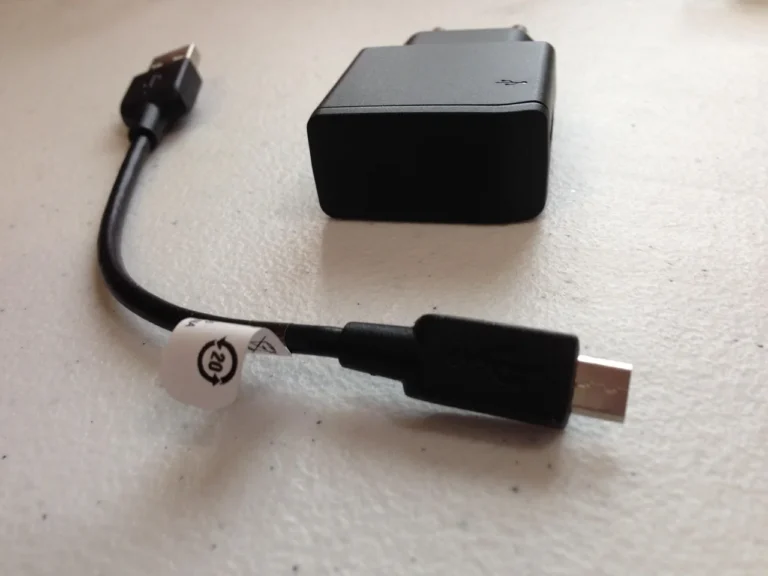
For phone charging, the word “fast” is about watts, not size. Watts are the main number consumers notice because they combine voltage and current into one power figure. A basic charger may only provide 5W of power, while a fast charger moves into the higher range that can fill a battery much sooner when the phone allows it.
Phone charging, not EV charging
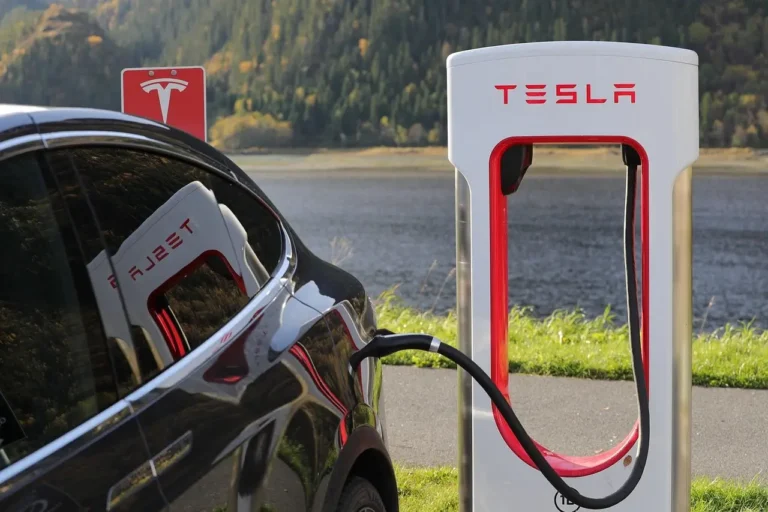
This topic is about phone charging in a car, not electric vehicle charging. A phone charger plugs into the car’s 12V socket or a built-in USB port, then supplies low-voltage power to a phone. EV fast charging is a different system with much larger power levels, different connectors, and a different safety and control setup.
That separation matters because “fast charging” means different things in each context. For phones, fast charging often starts around 18W. For EVs, a fast charger can be rated in the tens or hundreds of kilowatts, which is far beyond a phone accessory.
📊 MotorTrend says DC fast chargers operate at between 50 and 350 kW. Source: Motortrend.
How does a fast car charger work?
A fast car charger works as a three-part system: the car-side power source, the charger electronics inside the adapter, and the phone’s charging negotiation through its battery management system. The charger does not force power into the phone. It offers power within a range, and the phone accepts what it can safely take.
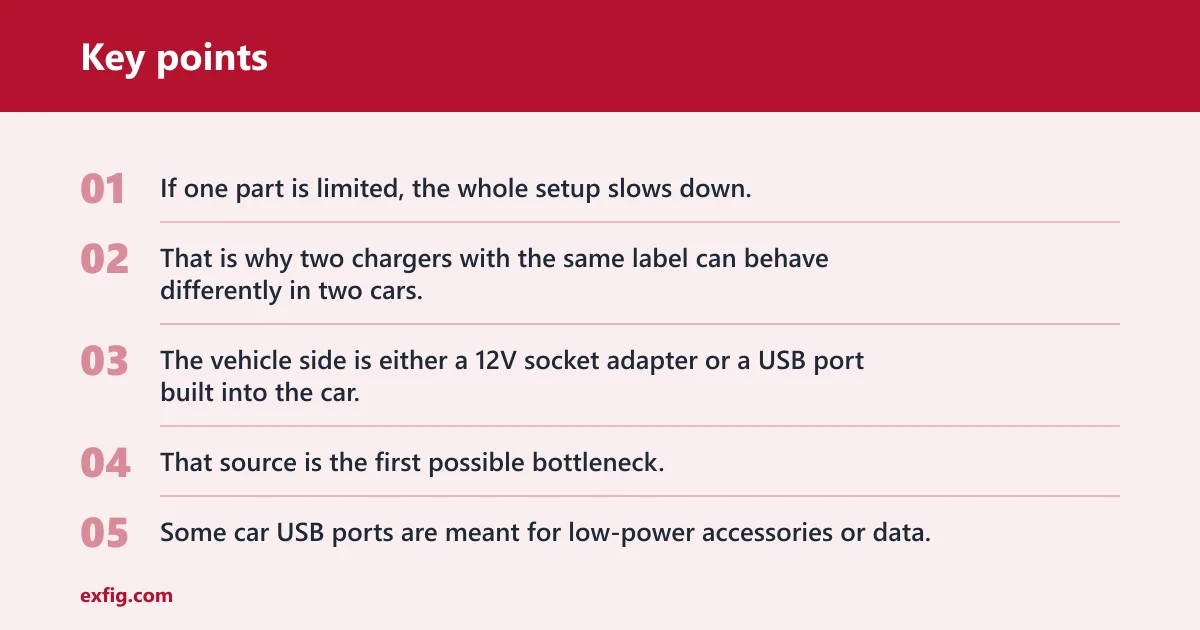
If one part is limited, the whole setup slows down. That is why two chargers with the same label can behave differently in two cars, with two cables, or with two phones.
The car side power source
The vehicle side is either a 12V socket adapter or a USB port built into the car. That source is the first possible bottleneck. Some car USB ports are meant for low-power accessories or data, and some 12V sockets feed a charger that cannot sustain true fast charging under load.
When the car side is weak, a high-rated charger may never reach its own label speed. The charger can only pass along what the source can provide.
The charger electronics inside the adapter
The adapter’s internal electronics convert the car’s input into the output the phone asks for. A good fast charger can step up or manage voltage and current so the phone receives the right combination for its charging mode. On a USB-C model, that usually means support for USB Power Delivery, or USB PD.
USB PD is a common USB-C fast-charging standard that negotiates power delivery. It can scale from low power up to higher levels depending on the device and charger, and smartphones are often reported to use around 18-25W with USB PD.
The phone negotiation through the battery management system
The phone decides how much power to accept through its battery management system, or BMS. The BMS controls charging safety, communicates with the charger during power negotiation, and reduces charge speed as the battery fills. That is why a charger can be fast at 20% and slower near full.
Fast charging works best before the battery passes 50% full. The charging benefit drops after 80%, because the phone shifts into a safer, slower charging mode.
What makes a charger fast?
A charger is fast when it can deliver more power, in watts, through a supported standard and at a level the phone can accept. Voltage and current both matter, because watts = volts × amps. Higher voltage can raise charging speed, and higher current can do the same, as long as the charger, cable, and phone are all rated for it.
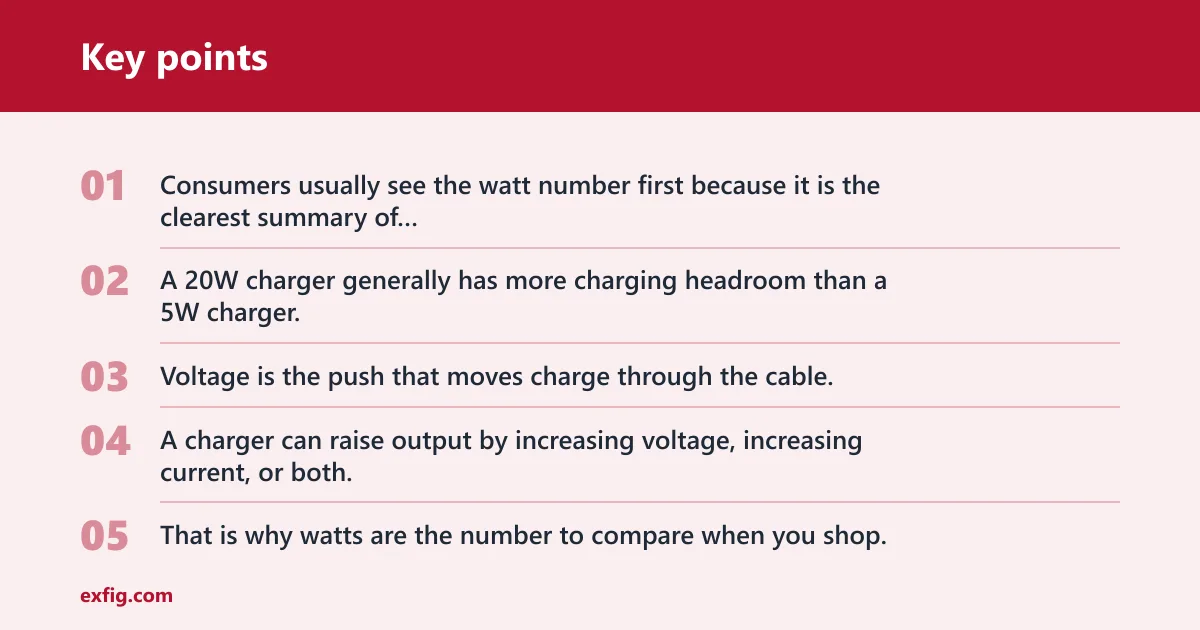
Consumers usually see the watt number first because it is the clearest summary of charging power. A 20W charger generally has more charging headroom than a 5W charger, but only if the phone and cable support that path.
Voltage, current, and watts
Voltage is the push that moves charge through the cable. Current is the amount that flows at once. Power is the product of both. A charger can raise output by increasing voltage, increasing current, or both, but the phone must be built to accept that pattern.
That is why watts are the number to compare when you shop. It shows the maximum output, not a guarantee. A higher-watt charger still cannot push extra power into a phone that does not support it.
USB power Delivery on USB-C
USB-C fast charging often relies on USB Power Delivery. USB PD lets the charger and phone talk before full power flows, so they can agree on a safe voltage and current level. That negotiation is the reason one USB-C charger can work across many phones without giving each one the same output.
USB PD scales from 0.5W to 100W, and smartphones typically use around 18-25W with USB PD. Android Authority also says smartphone fast charging ranges from 18W to 120W, with some phones now reaching 240W super-fast charging.
Why the cable can limit speed
The cable is part of the power path, not just a link between ends. If the cable rating is too low, it can bottleneck the charger even when the adapter and phone could go faster. Cable quality matters because some cables are built for charging at lower current or for data first, not high-power delivery.
Picture a phone that supports USB PD and a charger labeled 30W. If the cable is only suited to a lower current, the phone may charge at a slower rate than the charger’s label suggests. The label on the cable should match the current and power level you need.
Why does charging slow near full?
Charging slows near full because lithium-ion batteries charge in two main phases: constant current and constant voltage. Fast charging is most effective in the constant current phase. As the battery voltage rises, the phone shifts into constant voltage charging and reduces current to protect the battery.
That slowdown is normal. It is not a sign that the charger is failing. It is the phone protecting battery health and managing heat.
Constant current phase
In the constant current phase, the phone can accept a relatively high charge rate. This is where fast charging feels most dramatic, especially when the battery is low. That is why many guides describe the quickest jump from empty to around half full.
Constant voltage phase
Once the battery fills, the phone must be more careful. The charger keeps voltage stable while current tapers down. Speed falls, and the last part of the charge takes longer than the first part.
Battery protection and heat
The battery management system also watches heat. If the phone warms up, charging can slow further. Heat, battery level, and safety limits all work together. A fast charger cannot override those limits, and that is a good thing.
Fast charger checklist
Use this checklist before buying or troubleshooting. The goal is to match the charger, cable, phone, and car source so none of them become the bottleneck.
| Symptom | Likely cause | What to check on the label | Fix |
|---|---|---|---|
| Phone charges at ordinary speed from the 12V socket | The socket adapter is low power or the car outlet is weak under load | Output watts, supported voltages, and whether the adapter lists USB PD or another fast-charge standard | Use a higher-rated adapter that matches the phone’s supported standard and the car’s outlet output |
| USB-A port charges one phone slowly | The port may be basic 5W output or not a true fast-charge port | Wattage, amperage, and whether the port explicitly supports fast charging | Use a charger with a labeled fast-charge USB-A output or move to USB-C PD if the phone supports it |
| USB-C charger still feels slow | The phone, cable, or charger is not negotiating the same USB PD level | USB PD support, output range, and cable current rating | Use a USB-C PD charger, a rated cable, and a phone that supports that PD profile |
| Two devices in a multi-port charger both charge slowly | Power is shared across ports, so each port gets less than its maximum | Total output and how much power each port gets when multiple ports are used | Check the shared-output spec and unplug the second device if one phone needs maximum speed |
- Check the charger label for watts, volts, and amps, not just the marketing claim.
- Match the port type to the phone, usually USB-C for USB PD.
- Use a cable rated for the current and power you want.
- Confirm the car side can supply enough power through the 12V socket or built-in USB port.
- If speed still drops, look at battery level, heat, and whether another device is sharing the charger.
Why is my car charger slow?
Slow charging in a car usually comes from one weak link, not the charger label alone. The most common limits are the 12V socket, a basic USB-A port, a cable that cannot carry enough current, or a multi-port charger that splits power between devices. The phone’s BMS and battery level also matter.
A common first-timer mistake is plugging a 30W charger into a car’s basic USB port, then expecting full speed. If the car port only delivers low power, the charger cannot create extra output on its own.
12V socket bottlenecks
A 12V socket adapter can only deliver what the socket and adapter can sustain together. If the adapter label looks strong but the car outlet sags under load, the phone may fall back to slower charging. That is especially noticeable when the phone is charging and navigation, music, or hotspot use are also pulling power.
USB-A limits
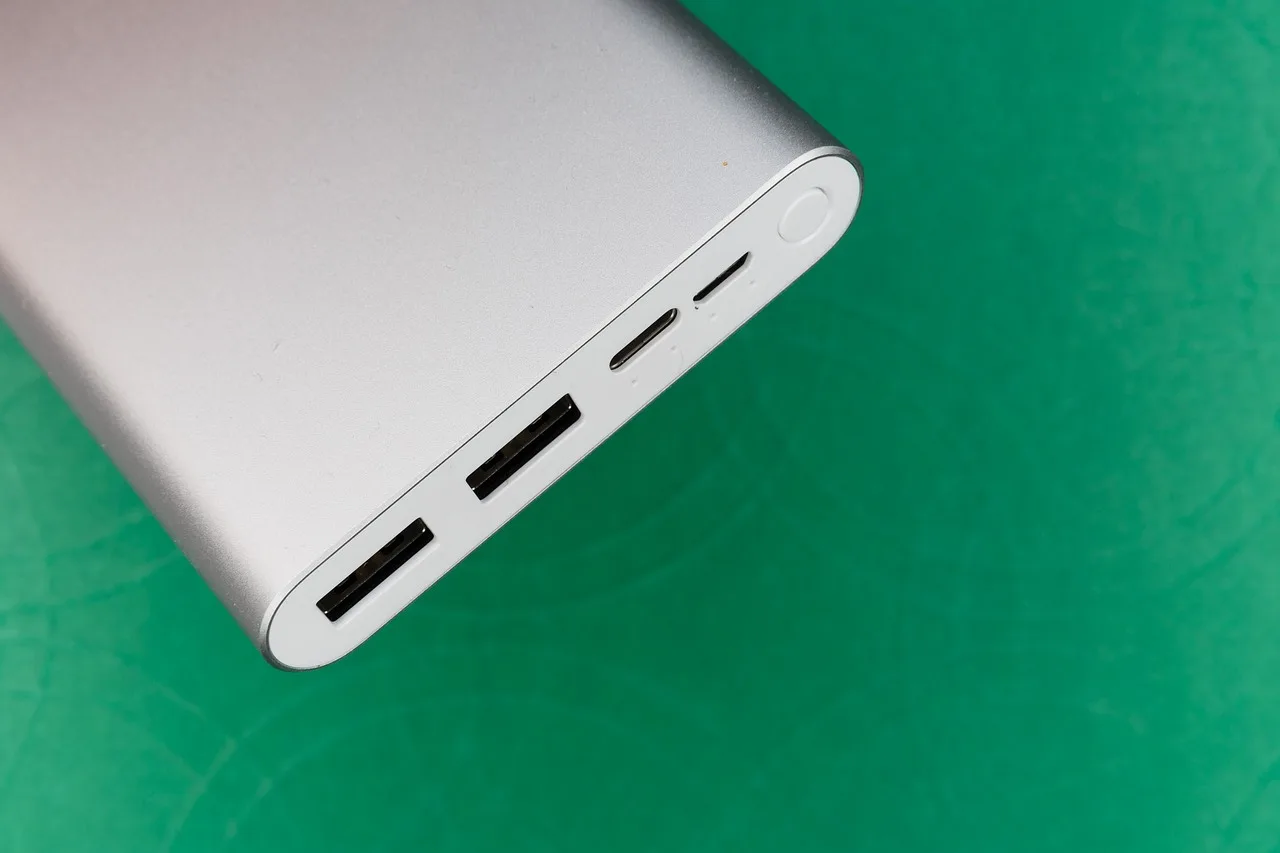
USB-A is not automatically fast charging. Many USB-A ports are basic low-power outputs unless the label clearly says otherwise. If the port does not list a fast-charge standard or a meaningful watt rating, assume ordinary speed until the label proves more.
USB-C PD mismatches
USB-C does not guarantee USB PD. A USB-C port can still be slow if the charger does not support PD, if the phone does not request the higher profile, or if the cable is not rated for the power level. All three parts must agree.
Suppose a phone supports USB PD but the cable is a weak link. The charger may advertise 45W, but the phone still charges at a lower rate because the cable caps the delivered power.
Multi-port power sharing
Multi-port chargers are convenient, but the total output is often shared. One port may be fast alone and slower once a second device is plugged in. Check the label for per-port output and combined output, because those numbers are not always the same.
How fast does a fast charger charge?
A fast charger can charge a compatible phone quickly at low battery levels, but the speed changes as the battery fills. A basic charger may only provide 5W of power, while modern fast chargers can deliver anywhere from 20W to over 100W.
One commonly cited benchmark says fast charging can reach 0% to 50% in 20-30 minutes. That kind of speed depends on the phone, the charger, the cable, and the battery’s current state, so treat it as a reference point, not a promise.
How much is a fast car charger?
Price varies by output, port type, and whether the charger supports USB PD or multi-device power sharing. Higher wattage and better cable support usually cost more. The label matters more than the price tag, because a cheaper charger that lacks the right standard can still charge slowly.
For comparison, focus on the stated output in watts, the USB standard, and the number of ports rather than the sticker alone. A charger that lists 5W output is not in the same class as one that lists 20W, 30W, or higher.
How to use a fast charger
Use a fast charger by matching the adapter, cable, phone, and car source before you plug in. The charger should support the phone’s charging standard, the cable should be rated for the needed current, and the car port should be able to feed enough power without sharing it with another device.
Start with the phone’s own fast-charging standard, then check the charger label, then check the cable rating. That order prevents most slow-charge surprises.
Frequently asked questions
What makes a fast charger fast?
A fast charger is fast when it can deliver more watts through a supported charging standard, usually by combining the right voltage and current. The phone must also accept that power. If the battery is near full, charging slows even with a strong charger.
What makes a charger a fast charger?
A charger becomes a fast charger when its label shows higher output than basic 5W charging and it supports the phone’s fast-charge standard, such as USB PD for many USB-C phones. The cable and car source must support that same level, or the speed drops.
How do fast chargers work?
Fast chargers work by negotiating power with the phone before high output begins. The charger offers a voltage and current range, the phone’s battery management system accepts what it can safely use, and the cable carries that power. Speed is highest early in the charge cycle.
How does fast charging work?
Fast charging works in two phases. The phone charges quickly in constant current mode, then slows in constant voltage mode as the battery fills. This protects battery health and controls heat. That is why charging is fastest below about half full and slower near 80% and above.
How does a car charger work?
A car charger pulls power from the vehicle’s 12V socket or USB port, converts it inside the adapter, and sends the correct output to the phone. If the car port, charger electronics, cable, or phone is limited, the whole setup falls back to a slower rate.
What makes a charger fast charging?
A charger supports fast charging when its output, port type, and charging standard match the phone’s needs. For many phones, that means USB-C with USB PD. A high watt rating helps, but it only matters if the phone and cable can use that rating safely.