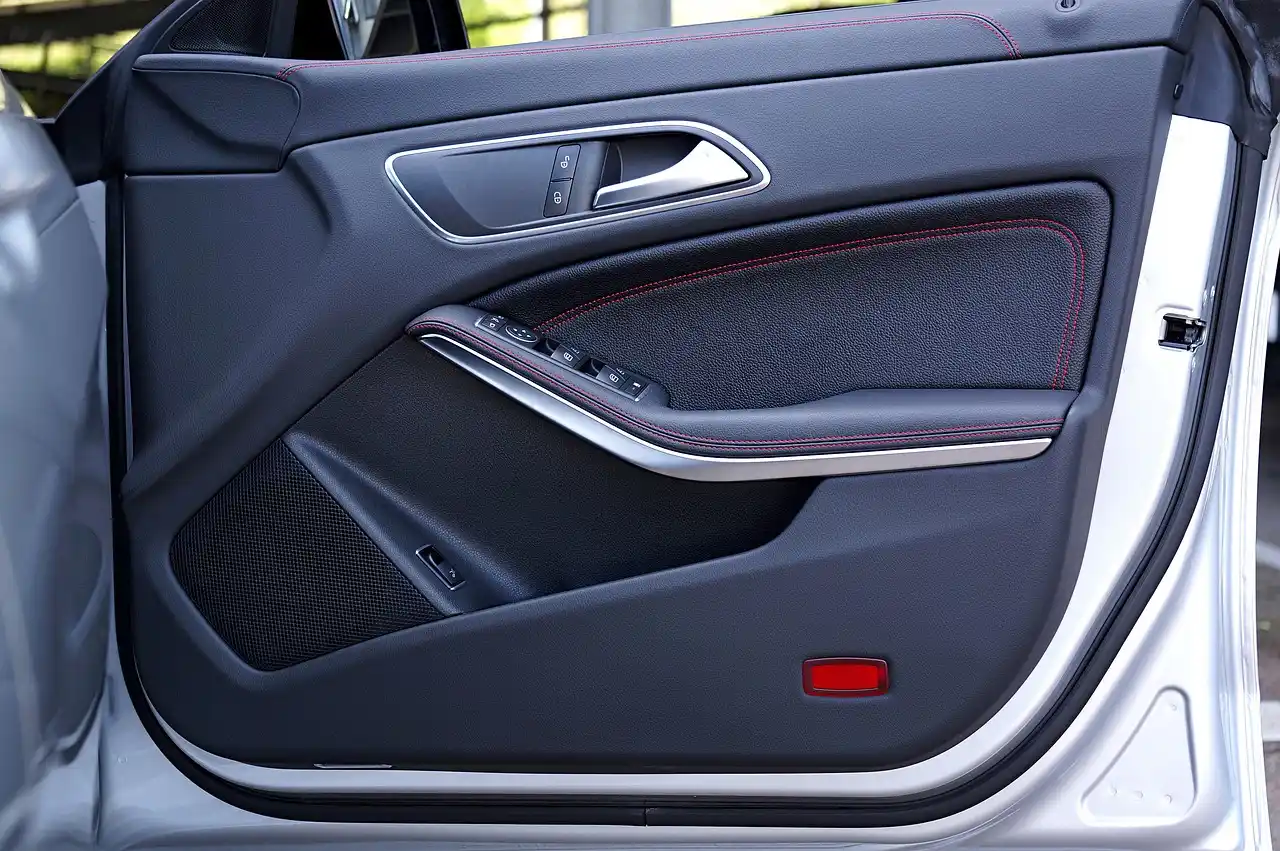
Coaxial vs Component Car Speakers: Which Is Better?

Coaxial speakers are often a better fit for most factory-power daily drivers; choose components when an amp/DSP will be added, separate tweeters can be mounted, and cleaner staging is worth about 2-3x the install effort. Pick wrong and you can spend more yet get weak volume, harsh highs, poor fitment, or an install that complicates future upgrades. This guide compares sound goals, fitment, installation, factory-head-unit performance, budget, and upgrade paths so you can choose the right speaker type for your car.
| Decision factor | Coaxial | component car speakers | Winner |
|---|---|---|---|
| Factory head-unit compatibility | Usually the simpler match because the tweeter, woofer, and crossover are integrated and the install stays close to stock. | Can work on factory power, but weak OEM output and no tuning often leave the extra hardware underused. | Coaxial |
| Sound imaging and stage placement | Tweeter stays low in the door because it typically mounts directly on top of the woofer cone. | Separate tweeters can be mounted in the dash, sail panel, or A-pillar, which raises the apparent source of vocals and cymbals and sharpens left-right placement. | component car speakers |
| Installation effort | Usually an easy drop-in replacement for factory speakers. | More wiring, crossover placement, and tweeter mounting; drilling or trim work may be needed. | Coaxial |
| Fitment flexibility in shallow doors | Often easier because there is only one basket to fit into the factory opening. | Door woofer may fit, but tweeter cutouts and crossover mounting add more fitment points to solve. | Coaxial |
| Rear-fill use | Well suited because rear speakers usually need broad coverage, not a highly focused stage. | Often wasted in the rear, and rear tweeters can pull the stage backward. | Coaxial |
| Tuning and upgrade path | Works well for simple no-amp systems; less flexible once you want active tuning. | Better platform for passive-to-active upgrades, amplifier channels, and DSP-based front-stage tuning. | component car speakers |
| Price at similar quality | At the same quality tier, coaxials usually cost less because you buy one integrated speaker instead of a woofer, separate tweeter, and external crossover set. | Higher parts count and installation work raise total cost. | Coaxial |
Coaxial vs component: the core trade-off
The real choice is system efficiency versus front-stage potential. Coaxial wins when the car still uses a factory radio, the install needs to stay simple, the doors are tight, or the rear speakers only need fill. component car speakers win when the front stage matters most and the system plan includes better tweeter placement, clean power, and room for crossovers.
That matters because “better sound” is too vague to buy on. A car with weak factory power, low door speaker locations, and no safe place for a tweeter can turn an expensive component set into a mediocre upgrade. A modest Coaxial set in the same car may deliver the better result.
Factory head-unit compatibility
Coaxial speakers are often called full-range speakers, and they are the most direct upgrade path from factory car speakers. Because the tweeter, woofer, and crossover are integrated, wiring usually stays simple and output balance depends less on where extra parts get mounted.
Sound imaging and stage placement
component car speakers pull ahead when the goal is a proper front stage. Component systems place tweeters higher for a better path to your ears, and that higher position is what helps vocals and cymbals seem to come from in front of you instead of from down near your knees.
Installation effort
Coaxial keeps the job contained to the factory opening in many cars. Component speakers take more work because the woofer, tweeter, and external passive crossover each need a mounting spot, separate wiring runs, and enough clearance around trim, glass, and factory hardware.
Fitment flexibility
Speaker size alone does not settle fitment. A 6.5-inch opening can still reject a deep basket that hits the window track, and a 6×9 opening can be awkward if there is nowhere to hide the crossover or no clean path for tweeter wire through the door boot.
Rear-fill use
Rear speakers rarely need the same precision as the front pair. In many systems, Coaxial is the better rear-fill choice because it adds ambience without spending money on tweeter placement that works against the front stage.
Tuning and upgrade path
If the plan stops at “replace the blown stock speakers,” Coaxial usually fits the brief. If the plan later grows to an amplifier, active crossover points, time alignment, and level matching, component car speakers give more room to tune.
Price
Coaxial speakers usually cost less than similar-quality component sets. The purchase price is only part of it; brackets, tweeter cups, wire, crossover mounting space, and labor often widen the gap.
What is the difference between coaxial and component speakers?
Coaxial puts the woofer and tweeter on the same axis in one basket, with a built-in or simple crossover, so it behaves like one compact replacement speaker. component car speakers split the drivers apart, use an external passive crossover in most sets, and trade simpler packaging for better placement and more tuning options.
How Coaxial is built
Coaxial speakers have a tweeter, woofer, and crossover integrated. A typical coaxial speaker mounts the tweeter directly on top of the woofer cone, which is why installation usually mirrors the stock speaker location.
A two-way coaxial features a woofer and a tweeter. Some 3-way coaxial speakers add a midrange driver, but that does not change the basic layout: everything still shares one housing, one main mounting point, and one simple signal path.
How component car speakers are built
Component speakers are also called separates. A typical set uses a dedicated woofer, tweeter, and external passive crossover, so each driver can work in the frequency range it was designed to handle.
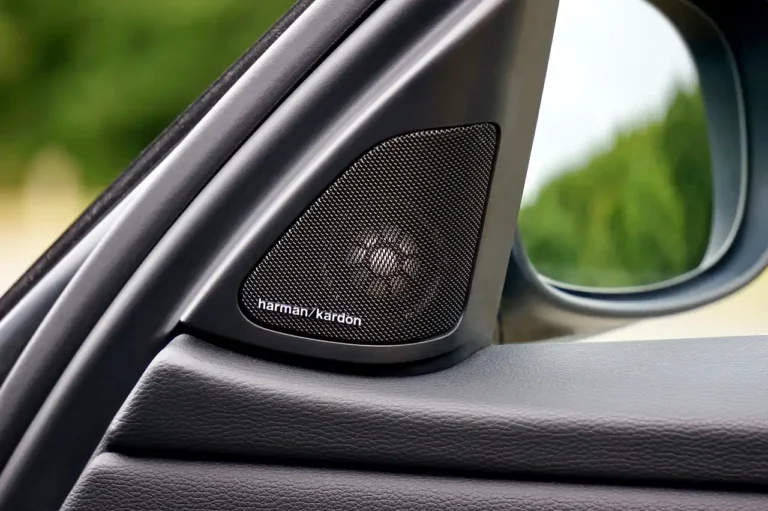
The woofer normally goes in the door or another factory low-frequency location. The tweeter is then mounted higher in the cabin, often in the dash, sail panel, or A-pillar, where its on-axis response is easier to aim toward the listener.
Where crossovers fit
The crossover sits between the stereo or amplifier and the drivers. In a Coaxial design, that network is usually basic and built into the speaker assembly. In component car speakers, the passive crossover is typically a separate box installed between the source signal and the woofer/tweeter pair.
Active crossovers move that frequency split upstream into a DSP or amplifier. That setup can give finer tuning, but it also adds amplifier channels, setup time, and more ways to get the system wrong.
Which is better for sound quality?
For pure front-stage sound quality, component car speakers usually win because driver separation and higher tweeter placement improve imaging and stage height. The gap shrinks fast, though, when tweeter placement is poor, factory power is weak, the doors leak mid-bass, or the listener mainly wants a clean daily-driver upgrade rather than the best possible front stage.
Imaging and soundstage
Component speakers offer superior imaging and allow you to locate sounds in 3D space. In practical terms, that means vocals sit higher, cymbals are easier to place left or right, and the stage feels closer to the windshield than the footwells.
Tweeter location does most of that work. A tweeter mounted high and with roughly symmetrical left-right placement usually images better than the same tweeter buried low in the door.
Mid-bass and tonal balance
The woofer handles low and mid frequencies, usually from the door location in a typical front-stage system. If the door skin is thin, the inner panel leaks air, or the speaker is mounted to a flimsy adapter, mid-bass can disappoint regardless of speaker type.
That is why door sealing and deadening can matter as much as the speaker badge. A well-mounted Coaxial in a sealed, solid door can beat a loosely installed component woofer with rattles and cancellation.
When the gap is small
Say your car has 6.5-inch front doors, no dash tweeter locations, and a weak factory radio. A component set may still fit, but if the tweeters end up low in the door and the crossover gets tucked wherever space allows, the imaging gain can be minor while the install gets much harder.
Picture a rear-deck 6×9 upgrade in a sedan that keeps the stock front stage. Coaxial is usually the smarter move there because the goal is fill and coverage, not a pinpoint image from behind the listener.
Are coaxial speakers easier to install?
Yes. Coaxial speakers are usually easier to install because they package the drivers and crossover into one unit that often drops into the factory opening. component car speakers add separate tweeter mounting, crossover placement, extra wire routing, and more chances to hit depth, trim, or drilling limits before the system even plays.
Drop-in replacement vs separate-driver install
Coaxial speakers are an easy way to upgrade factory speakers. In many cars, the work stays limited to removing the door panel, swapping brackets or adapters if needed, and connecting the factory wiring with a vehicle-specific plug adapter.
With component car speakers, the door woofer may still be straightforward, but the tweeter changes the job. The installer has to choose a location, route wire to it, and make sure it does not interfere with trim clips, curtain airbags, or window travel.
Tweeter mounting tasks
Dash, sail panel, and A-pillar mounts can all work. Surface-mount pods are often the easiest; flush mounts look cleaner but may need cutting. If the tweeter ends up aimed badly or too low, much of the benefit of choosing component speakers disappears.
Fitment limits: size, depth, and clearance
Common sizes include 6.5-inch, 5.25-inch, and 6×9, but size is only the first filter. Mounting depth, adapter ring thickness, grille clearance, and window-track clearance matter just as much.
A common first-timer mistake is choosing a deep 6.5-inch door woofer because the diameter matches the factory opening. The magnet then contacts the window track when the glass drops, and the “upgrade” turns into a return, spacer stack, or cut-metal project.
Do you need an amplifier or external crossover?
Neither type always needs an amplifier, but the recommendation changes with the system goal. Coaxial often works well enough on factory power, while component car speakers usually make the most sense when clean amplifier power, proper passive crossovers, or active DSP control are part of the plan from the start.
Factory head-unit compatibility: factory head units usually favor
Factory head units usually favor efficient, simple loads. In that situation, sensitivity matters more than flashy peak-watt claims, because weak OEM radios often run out of clean output before an aftermarket speaker reaches its advertised limits.
Coaxial is often good enough without an amplifier if the goal is cleaner sound than stock at normal listening levels. An amplifier can still improve Coaxial performance, but the category is less dependent on extra hardware to justify itself.
Passive vs active crossovers
Most component sets use an included external passive crossover. That box splits frequencies after the amplifier or head unit and sends highs to the tweeter and lows/mids to the woofer.
Active crossovers do the split before amplification, usually inside a DSP or multi-channel amplifier. Active control opens up better tuning, but it asks for more channels, more setup knowledge, and closer attention to gain structure and crossover points.
When an amp changes the recommendation
An amplifier can help either option by providing cleaner headroom and reducing the temptation to clip a weak factory source. component car speakers often benefit more because the better tweeter location and crossover design become easier to hear when the signal is cleaner and level matching is more precise.
Underpower plus clipping is the real risk to watch, more than any headline RMS number taken in isolation. Expensive component speakers on a weak factory radio can sound thin or harsh if the source is strained and the tweeter level cannot be adjusted sensibly.
How should you match the speakers to your system plan?
Match the speaker type to the plan, not to a blanket claim about sound quality. Coaxial usually fits no-amp daily-driver systems and rear-fill duties, while component car speakers fit front-stage builds that will get amplifier channels, better tweeter placement, and tuning time later instead of being left on a weak stock radio forever.
No-amp daily-driver upgrade
If the system will keep the factory head unit and factory speaker locations, Coaxial is usually the right first move. It keeps cost and complexity under control and avoids spending for placement and crossover flexibility that the rest of the system cannot use.
Amp-ready build
If the next step is a 4-channel amplifier, the choice becomes closer. Coaxial still makes sense when fitment is tight or the install must stay reversible, but component car speakers start to justify the effort if the front speakers are the priority and there is a real tweeter location available.
DSP and front-stage build
For a system that will use DSP, time alignment, and dedicated front-stage tuning, component car speakers are the better foundation. Separate drivers, better tweeter placement, and the option to move from passive to active later all fit that path.
Rear-fill only systems
Rear-fill is where Coaxial keeps winning. Rear components cost more, add work, and can pull the image backward if the rear tweeters are too bright or too loud relative to the fronts.
Choose by steps
- Set the listening goal. Decide whether the car needs a simple daily-driver refresh, a front-stage-focused build, or only rear fill. If the answer is “better than stock with minimal work,” start by treating Coaxial as the default.
- Check front tweeter locations. Look for usable dash, sail panel, or A-pillar positions before buying component car speakers. If there is no safe high location and no willingness to cut trim, the imaging gain may not justify the extra parts.
- Confirm fitment details. Verify size, mounting depth, window clearance, adapter requirements, and crossover space. A 5.25-inch or 6.5-inch match on paper does not guarantee the basket, magnet, or tweeter hardware will clear the door.
- Match source power. Keep factory-radio systems focused on efficient, sensible upgrades rather than peak-power marketing. If an amplifier or DSP is definitely coming, component car speakers become easier to justify up front.
- Protect the upgrade path. Choose the option that still makes sense six months later. A cheap rear Coaxial pair can stay useful in a serious build; a compromised front component install with bad tweeter placement often gets redone.
Coaxial vs component car speakers decision table
| Scenario | Pick | Reason | Trade-off |
|---|---|---|---|
| Factory head unit | Coaxial | Usually the better match for weak OEM power and stock wiring because the design stays simple and efficient. | Less stage height and localization than a well-installed front component setup. |
| Front-stage focus | component car speakers | Separate tweeters can be mounted high, which improves imaging and instrument placement. | More wiring, more install time, and placement mistakes can erase much of the gain. |
| Rear-fill only | Coaxial | Rear speakers mainly support ambience, so a compact full-range replacement is usually enough. | Rear output is less tunable, though that is rarely a problem in this role. |
| Tight door depth | Coaxial | One basket is usually easier to package when window-track clearance is limited. | You may pass on the imaging gain that comes from a separately mounted tweeter. |
| No drilling | Coaxial | Best chance of using factory openings and trim without new tweeter holes or flush mounts. | High-frequency location stays tied to the door speaker position. |
| Budget build | Coaxial | Lower purchase cost and less installation hardware leave more budget for deadening, plug adapters, or an amp later. | Absolute front-stage performance ceiling is lower. |
| Amp-ready build | component car speakers | Clean power and better crossover control make the separate tweeter and woofer layout pay off. | Total system cost and install complexity rise. |
| SQ build | component car speakers | Sound-quality systems usually prioritize front imaging, stage height, and tuning flexibility. | Results depend heavily on placement, door treatment, and tuning quality. |
Choose Coaxial if… / Choose component car speakers if…
Choose Coaxial if your priorities are simplicity, fitment, and cost
- You are keeping the factory head unit for now.
- The car needs a straightforward factory replacement in 6.5-inch, 5.25-inch, or 6×9 locations.
- You want rear fill, not a front-stage project.
- Door depth is tight, drilling is off the table, or the install must stay easy to reverse.
Choose component car speakers if your priorities are staging, tuning, and expansion
- You care about front-stage imaging more than fastest install.
- The car has usable dash, sail-panel, or A-pillar tweeter locations.
- An amplifier or DSP is part of the plan, even if it comes later.
- You are willing to mount crossovers, route extra wire, and spend time on placement.
Borderline cases where either can make sense
A 4-channel-amp daily driver with good factory sail-panel tweeter spots can go either way. If the front seats are the focus and the installer can place the tweeters cleanly, component car speakers make sense; if the owner wants a fast, reversible upgrade, Coaxial is still rational.
Suppose a hatchback has 5.25-inch front doors, shallow depth, and very bright reflective glass. Even with an amplifier, the safer choice may still be Coaxial up front plus careful EQ later, because forcing tweeters into poor locations can create harsh highs without the imaging benefit the extra work was meant to buy.
Frequently asked questions
Which is better for sound quality: coaxial or component car speakers?
For the front stage, component car speakers usually sound better because separate tweeters can sit higher and image more clearly. For everyday factory-power systems, though, Coaxial can be the better overall result when installation stays cleaner, fitment is easier, and the car lacks good tweeter locations.
Are coaxial car speakers easier to install than component speakers?
Yes. Coaxial keeps the tweeter, woofer, and crossover in one assembly, so many installs stay close to a factory speaker swap. component car speakers add crossover mounting, tweeter wire routing, trim removal beyond the door, and sometimes drilling or cutting for a proper high-mounted tweeter position.
Do component speakers need an external crossover?
Most component sets include an external passive crossover, and that box is part of the normal system design. They do not always need a separate active crossover, though. Active setups are usually reserved for DSP or multi-channel amplifier builds that want more precise tuning than the included passive network allows.
Can coaxial speakers be used as a factory replacement?
Yes. Coaxial is often the easiest factory replacement because it packages the drivers in one basket and typically works with stock-style speaker locations. That makes it a strong choice when the goal is better-than-stock sound without adding tweeter mounts, separate crossover boxes, or a more involved wiring job.
Will component speakers fit my car without custom work?
Sometimes, but fitment depends on more than diameter. The woofer still has to clear the window track and door panel, the crossover needs mounting space, and the tweeter needs a safe high location. Many cars accept component sets with brackets, but some still need trimming, drilling, or creative mounting.
Are coaxial speakers good enough without an amplifier?
Often, yes. For a factory-radio daily driver, Coaxial is usually the better no-amp choice because the integrated design is simple to power and easy to install. The limit is output and control: if the OEM head unit clips early or the listener wants a stronger front stage, an amplifier changes the equation.