Fast Car Chargers: How to Choose the Right One

Match the charger, cable, and your device or EV to the same fast-charge standard: for phones, 30–45W USB-C PD is often a sweet spot; for EVs, pick the fastest source your car’s onboard charger or DC limit can use. If those parts do not match, you can pay for headline wattage and charge no faster, or waste time at EV stations your car cannot fully use. This guide compares phone chargers, home and public EV options, then narrows the right wattage, ports, protocol, and cable for real driving.
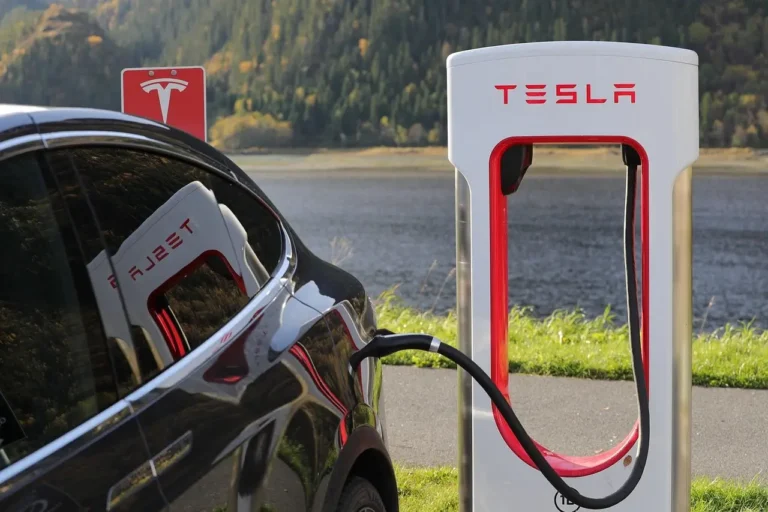
Two different products get called a car charger. One is a 12V plug-in USB charger for a phone, tablet, dash cam, or hotspot. The other is EV charging equipment at home, work, or public sites. Once that split is clear, the buying logic changes completely.
Phone charger vs EV charger
Start with the product type
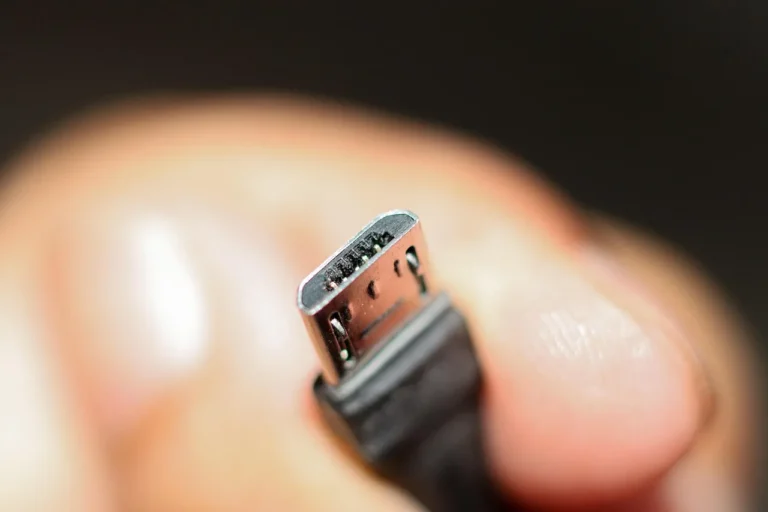
If the device plugs into your car’s 12V socket, focus on USB-C vs USB-A, Power Delivery vs Quick Charge, single-port vs shared-output design, and cable quality. Actual charging speed depends on whether the phone accepts that protocol while the screen is on, navigation is running, and the battery is warm.
If the vehicle itself is charging, the choice is AC at home or work versus DC on the road. A regular household socket delivers about 2.3kW for EV charging, which is slow but workable for low-mileage routines. A 7kW home wallbox is a common step up for overnight charging.
Why the split matters
Phone charger shoppers often chase the biggest watt figure on the box. EV charger shoppers often assume the highest-rated public unit will fill any car at that rate. Both mistakes come from the same issue: buying for advertised output instead of sustained compatibility.
Picture a driver who buys a 65W USB-C charger for an older Android phone that only fast-charges over Quick Charge 3.0. The charger looks powerful on paper, but the phone may fall back to basic charging if the protocol handshake is wrong. The same pattern appears at a 22kW AC post when an EV can accept less AC power through its onboard charger.
What makes a car charger fast?
A fast car charger is fast only when four things line up: the charger speaks the right protocol, it can hold that output instead of only peaking briefly, the phone or EV can accept that rate, and the cable can carry it. A watt number by itself does not answer the speed question.
Protocol support matters before wattage
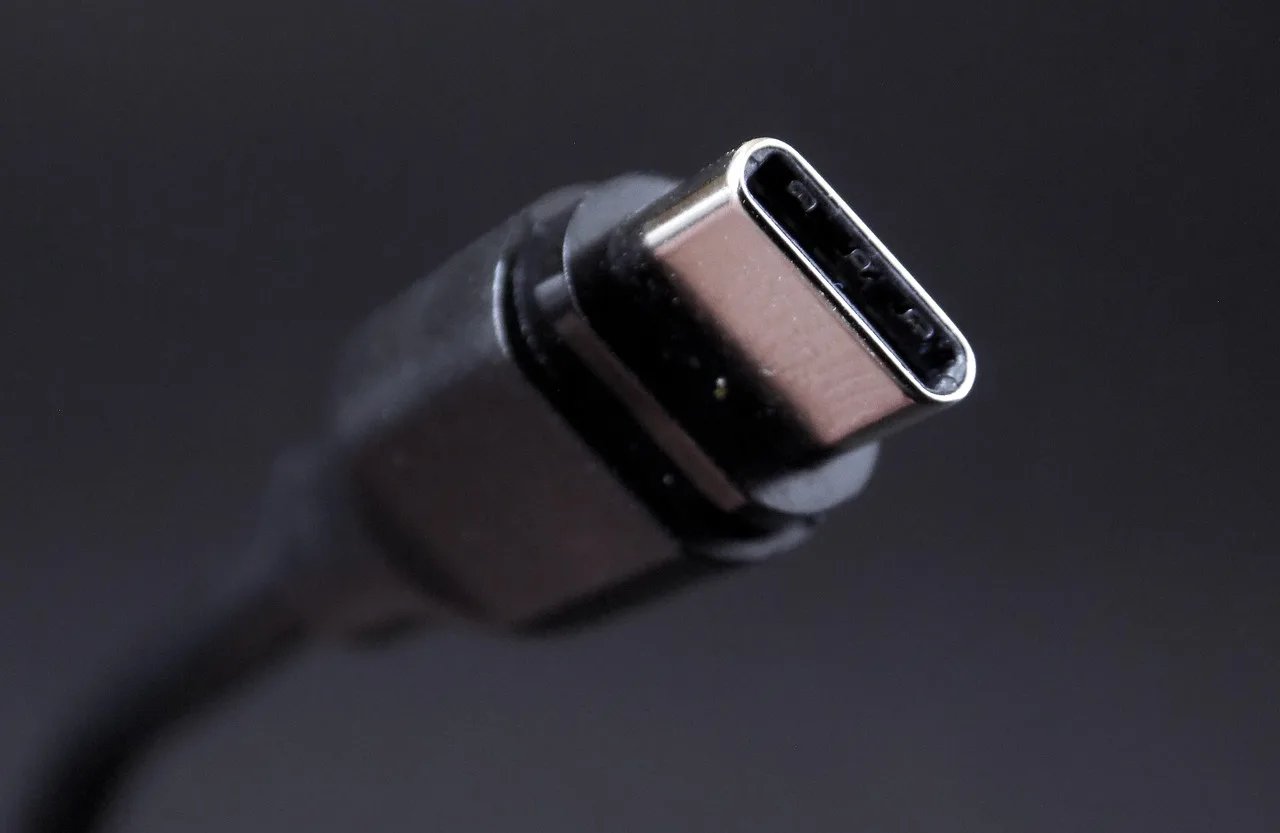
For phone charging, fast usually means USB-C Power Delivery or Quick Charge 3.0 rather than plain USB output. USB-C PD is the safer default for current iPhones, many recent Android phones, tablets, and some laptops. Quick Charge 3.0 still matters for older and mid-cycle Android devices that expect Qualcomm’s standard on USB-A ports.
The difference shows up in compatibility. The Anker PowerDrive +1 uses a single Quick Charge 3.0 port, so it fits devices that specifically use QC. A USB-C PD charger fits a wider mix of recent phones.
Sustained charging beats peak claims
Some chargers advertise a large combined output but share that power across ports. The Anker PowerDrive Speed 2 is described as capable of 39W total output. That matters because one connected device may charge faster than two devices charging together.
The RAVPower 40W car charger has two ports and iSmart tech, which is a reminder that “40W” can describe a total budget, not a guaranteed per-port result. Real driving use often includes two connected devices, so shared-output behavior matters more than a headline number.
The cable can cap speed
A low-grade or damaged cable can make a fast charger perform like a basic one. For USB-C PD, the cable must be rated for the current required by the device. Higher-power USB-C charging may also need an e-marked cable. Worn connectors, thin conductors, and cheap adapters often become the real speed limit.
For EVs, cable quality shows up less in home tethered units and more in public AC use, where the Type 2 cable itself must match the post and the vehicle’s charging capability. Heat, contact wear, and damage can all reduce stable charging.
How do you choose the right fast car charger?
Choose by mapping your normal trips first, then matching the charger to the device or EV and the cable you already use. The best pick usually balances enough wattage, the correct port and protocol, and stable charging under your usual load, not the biggest claim printed on packaging.
A simple selection process
- Map your use. Note whether you need a phone to gain battery during navigation, keep level during streaming, or charge two devices at once. For EVs, note whether most miles are covered by overnight home charging or by public top-ups during longer trips.
- Check protocol support. Look at the phone’s charging standard or the EV’s onboard AC and DC limits. USB-C PD and QC 3.0 are not interchangeable across all phones, and a 22kW AC post does not mean every EV will take 22kW.
- Inspect the cable. Use a cable rated for the charging level you expect. If a phone charges slowly with several chargers, swap the cable before replacing the adapter; if an EV AC session is weak, inspect the Type 2 cable and connector condition.
Match the charger to your driving pattern
A short urban commute with wireless CarPlay, maps, and a bright display can drain a phone faster than a weak charger can refill it. In that case, a basic USB port in the car is not enough; a 30W-class USB-C PD charger usually makes more sense.
For EVs, routine commuting points toward home AC charging. A 7kW home wallbox can fully charge a Tesla Model Y RWD in around eight-and-a-half hours, which fits the overnight use case well. Public DC charging suits en-route top-ups, not everyday lowest-cost charging.
Match the ports and cable you actually use
If your car regularly carries an iPhone and a USB-C Android phone, dual-port flexibility matters more than one very high-rated port. If one passenger still uses an older QC phone, a mixed USB-C PD plus USB-A QC charger can make more sense than all-USB-C.
Suppose one port is labeled high wattage and the second port is basic USB-A. The first phone may charge quickly alone, then slow down once the second device is plugged in because the charger reallocates output. Check whether the advertised wattage is per port or combined.
USB-C PD vs QC 3.0
The trade-off is breadth versus legacy fit. USB-C Power Delivery covers more current phones and higher-power accessories, while Quick Charge 3.0 still works well for Android devices that expect QC over USB-A. The better buy depends on the phone family in the car and whether both ports stay fast when occupied.
| Criterion | USB-C Power Delivery | Quick Charge 3.0 |
|---|---|---|
| Typical port type | Usually USB-C | Usually USB-A |
| Best fit | Recent iPhone, many recent Android phones, tablets, some laptops | Older and many mid-cycle Android phones using Qualcomm fast charging |
| Common buying range | Often chosen in 30–45W car chargers for phone use | Often chosen when one or more USB-A fast ports are needed |
| Cable dependency | High; cable rating matters for full PD speed | Moderate; poor USB-A to USB-C or USB-A to Micro-USB cables still slow charging |
| iPhone fit | Usually the safer choice | Often a poor primary choice |
| Backward compatibility | Depends on the device and cable path | Often marketed with backward compatibility claims, but full QC speed still needs a QC-capable phone |
USB-C PD compatibility and wattage tiers
USB-C PD is a standard used across many recent phones and tablets. For drivers, that matters more than raw maximum wattage because it increases the odds that a charger will fast-charge both iPhone and Android models. A 30–45W PD charger is often enough for one phone under navigation load or two lighter devices with smart power sharing.
PD also scales into tablets and some compact laptops, but only if the car charger and cable are both rated for that use. A cable that is fine for ordinary phone charging can still limit a higher-power PD session.
Where QC 3.0 still makes sense
QC 3.0 remains relevant in cars with older Android phones, USB-A accessories, or drivers who want a low-cost upgrade without changing cables. The AUKEY Quick Charge 3.0 car charger has multiple QC 3.0 ports, showing how some chargers are built around that one ecosystem. The JSAUX charger is described as the cheapest Quick Charge 3.0 option in one list, which explains why QC models still attract value-focused buyers.
The limit is future device mix. QC 3.0 is less useful if the household has moved mainly to USB-C devices or iPhones.
When USB-C PD is the safer default
If you are buying one charger for mixed devices, PD is usually the more durable choice. It fits current charging habits better, especially as more phones ship with USB-C cables and more accessories expect USB-C input. QC 3.0 is still fine when the exact phone model is known and known to benefit from it.
What wattage do you actually need?
Most drivers need enough output to beat their real in-car drain, not the largest charger available. For one current phone, 30W USB-C PD is usually a sensible floor; 45W adds margin. More wattage helps only if the device, the port, and the cable can all use it.
Light use and simple top-ups
If the phone is mostly idle or only streaming audio with the screen off, lower-output chargers can still add battery steadily. This is where older QC 3.0 or modest PD chargers remain useful. The target is not maximum refill speed; it is staying comfortably ahead of drain.
Navigation, streaming, and screen-on driving
Heavy in-car use changes the requirement. Bright screens, GPS, mobile data, hotspot duty, and wireless projection all add load. In those cases, a charger that looked fast on the box may only maintain the battery level if the phone is warm or near full state of charge.
Say your phone loses charge during a two-hour motorway run while maps, music, and a passenger hotspot are active. That does not always mean the charger is defective. It may mean the charger is too small for the live load, the cable is weak, or the phone is falling back from PD or QC to a slower mode.
Two devices and shared-output limits
Dual-port chargers are convenient, but only if the combined output is enough for both devices. A charger rated at 39W total may be excellent for one phone and adequate for two lighter devices, yet fail to fast-charge two power-hungry phones at the same time. Check whether each port can fast-charge simultaneously or only when used alone.
Why more wattage can still charge at the same speed
Phones decide how much power to accept. If the handset caps intake below the charger’s maximum, extra charger wattage sits unused. Heat can also reduce charging rate. So can battery level: many devices accept less power as they approach a high state of charge.
EV charging speeds compared
7kW home wallbox
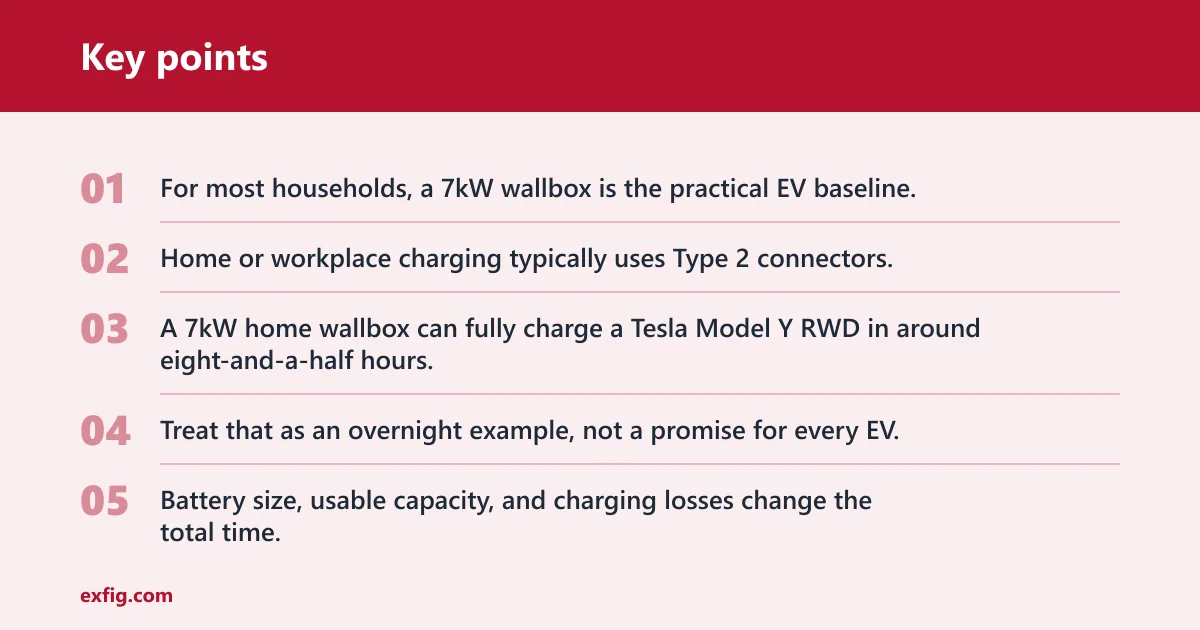
For most households, a 7kW wallbox is the practical EV baseline. It uses AC charging, usually with a Type 2 connector in Europe, and fits overnight charging habits. Home or workplace charging typically uses Type 2 connectors.
A 7kW home wallbox can fully charge a Tesla Model Y RWD in around eight-and-a-half hours. Treat that as an overnight example, not a promise for every EV. Battery size, usable capacity, and charging losses change the total time.
A regular household socket delivers about 2.3kW for EV charging, which is much slower. It can work for very low daily mileage, but it is rarely the best answer if the car needs a dependable overnight refill.
22kW AC charging
Fast AC charging generally sits in the 7–22kW AC range. The upper end is common at workplaces and some public destinations. An 11kW three-phase supply is more common at commercial properties, which is one reason many drivers see 11kW or 22kW AC posts away from home.
The catch is vehicle acceptance. A 22kW AC post can only give a car what the car’s onboard AC charger can take. Many EVs cannot accept 22kW AC even when the post can supply it, so the real charging rate may be lower.
50kW to 350kW DC rapid charging
Rapid charging for EVs starts around 50kW DC. Ultra-rapid DC units deliver 100–350kW. These are the chargers for en-route top-ups, not for lowest-cost routine charging.
Public rapid charging primarily uses CCS and legacy CHAdeMO on some models. For most new European EVs, CCS is the connector that matters. Charging speed also tapers as the battery fills, so the best use case is often a shorter top-up from a lower state of charge rather than waiting for a very high percentage.
Type 2 vs CCS connector roles
Type 2 is the normal AC connector for home, workplace, and many destination chargers in Europe. CCS is the common DC rapid-charging connector for quicker public top-ups. Buying an EV charging setup without confirming the connector standard is an easy way to pay for access you cannot use.
Cost trade-offs in 2026
Home AC charging is usually the routine-value option, while public DC rapid charging is the time-saving option on trips. The UK energy price cap cited is 24.67 pence per kilowatt-hour, which gives a rough reference point for home electricity rather than a universal live tariff. In 2026, public charging prices, memberships, idle fees, and overstay fees can change the math more than charger power alone.
Car chargers decision table
| Driver scenario | Recommended charger type | Minimum wattage | Port count | Connector or protocol | Likely mistake to avoid |
|---|---|---|---|---|---|
| Solo driver, recent iPhone, maps and music daily | 12V USB-C car charger | 30W | 1 | USB-C PD | Buying USB-A QC only and expecting full iPhone fast charging |
| Solo driver, older QC-friendly Android phone | 12V QC charger | 18W-class fast output | 1 | Quick Charge 3.0 | Paying extra for high-PD output the phone cannot use |
| Driver plus passenger, two current phones | Dual-port car charger with shared power headroom | 39W total or higher | 2 | USB-C PD or mixed PD plus QC | Ignoring that total output may split when both ports are occupied |
| Mixed household with iPhone and Android | USB-C PD first, optional second QC or USB-C port | 30W on the main fast port | 2 | USB-C PD | Assuming any USB-C label means every phone will fast-charge the same way |
| Low-mileage EV charged at home overnight | Home wallbox | 7kW | 1 vehicle connector | Type 2 AC | Relying on a 2.3kW household socket for a routine full refill |
| Workplace or destination EV charging | Public or employer AC post | 7kW to 22kW AC | 1 vehicle connector | Type 2 AC | Assuming the car can accept the post’s full 22kW AC output |
| Long-distance EV route stop | DC rapid charger | 50kW | 1 vehicle connector | CCS | Arriving nearly full and expecting the headline rate to continue to 100% |
| Frequent motorway EV driver seeking shortest stop times | Ultra-rapid DC charger | 100kW to 350kW | 1 vehicle connector | CCS | Paying for 350kW access when the EV’s DC limit is far lower |
Why is charging slow even with a fast charger?
Slow charging usually comes from one of six points of failure: protocol mismatch, shared-output limits, a weak cable, poor socket contact, temperature, or live device load. On EVs, onboard AC limits and DC tapering add two more. The charger rating is only one part of the speed chain.
Phone charger bottlenecks in the car
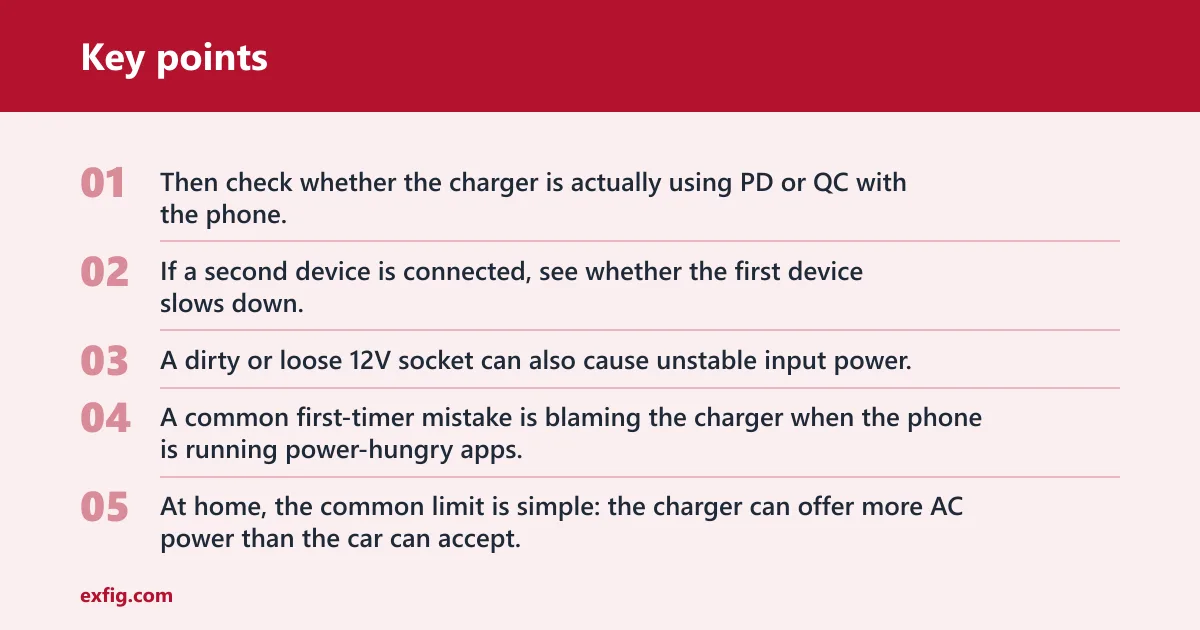
Start with the cable. It fails often and cheaply. Then check whether the charger is actually using PD or QC with the phone. If a second device is connected, see whether the first device slows down. A dirty or loose 12V socket can also cause unstable input power.
A common first-timer mistake is blaming the charger when the phone is running power-hungry apps. Turn off a hotspot, lower screen brightness, or close background video, and charging may recover at the next drive without changing hardware.
EV bottlenecks at home and in public
At home, the common limit is simple: the charger can offer more AC power than the car can accept. At public DC sites, the usual limit is tapering as the battery state of charge rises. Cold or hot battery conditions can also reduce the rate before the charger’s headline figure matters.
Cable faults, heat, and wear
Phone cables fray internally long before they look damaged from outside. EV cables and handles can develop contact wear or contamination. In both categories, rising resistance creates heat and lower stable power. If charging speed varies with one cable but not another, the cable is the first suspect.
Choose a phone car charger if… / Choose an EV charger if…
Choose a phone car charger if…
- You need to keep a phone ahead of drain during navigation, streaming, or hotspot use.
- Your buying decision is about USB-C PD, QC 3.0, port count, and cable quality.
- The device plugs into the car’s 12V outlet rather than charging the vehicle battery.
- You want one charger for iPhone and Android and need to compare protocol fit first.
Choose an EV charger if…
- You are deciding between a home wallbox, workplace AC, or public DC rapid charging.
- Your main question is Type 2 versus CCS, or AC acceptance versus DC peak rate.
- You are comparing overnight home charging cost with trip-time savings at public stations.
- You need to match charger power to the EV’s onboard AC charger or DC charging limit.
Frequently asked questions
Is a higher watt car charger always faster?
No. Devices draw only what their charging system allows, and many dual-port chargers share a combined power budget. A higher-rated charger can still charge at the same speed as a smaller one if the phone caps intake, the battery is warm, or the cable cannot carry the required current.
Do I need a USB-C car charger or a QC 3.0 charger?
Choose USB-C PD for most recent iPhones, many recent Android phones, and mixed-device households. Choose QC 3.0 when the phone is known to fast-charge through Qualcomm’s standard, often on USB-A, and there is no need to prioritize newer USB-C PD compatibility.
How fast does a fast car charger charge a phone?
There is no single time because speed changes with battery level, temperature, screen use, and protocol support. In practice, a charger feels fast when it gains battery during active navigation instead of merely holding level. That is why a stable 30W-class PD charger often beats a mismatched higher-watt option.
What is the difference between fast and rapid EV charging?
Fast EV charging commonly refers to AC charging in the 7–22kW range, usually through Type 2 at home, work, or destination sites.
Can I use a fast charger for both iPhone and Android?
Often yes, if the charger uses USB-C Power Delivery and the cable fits both devices. That said, some Android phones still benefit more from specific fast-charge standards, including QC 3.0 on older models. The safe check is the phone’s supported protocol, not the connector shape alone.
What matters more in car charging speed, the charger or the cable?
Neither wins on its own. The charger sets the ceiling, but the cable often decides whether the device can reach it. If the charger and phone both support fast charging yet speed is poor, the cable is the first thing to replace because it commonly creates the bottleneck.