Are LED Headlights Legal in the US?

LED headlights are generally legal in the U.S. when the complete headlamp system meets FMVSS 108. Factory LED units usually do, while many aftermarket LED bulb swaps in halogen housings do not. Illegal or misaligned setups can fail inspection, draw tickets, create glare, and cut nighttime visibility. This guide covers factory LEDs, aftermarket replacements, and adaptive driving beams by use case.
Factory LEDs vs. aftermarket retrofits
Yes, but only in the right setup. U.S. legality depends on the whole headlamp system, not the light source alone. A factory LED headlamp certified for that vehicle is usually legal. A bulb swap into a housing not designed for it is a different legal question.
That distinction matters because LED headlights are a technology, not a free pass. They use light-emitting diodes and often appear white or cool-bluish. Drivers may prefer them for clarity, yet the law still cares about beam pattern, housing design, and whether the assembly matches the vehicle specification under FMVSS headlamp standards.
Factory LED headlights vs. retrofits
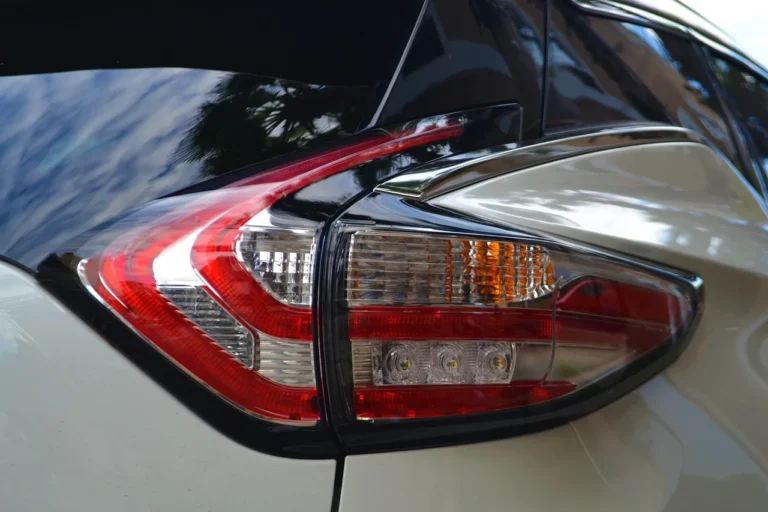
Factory-installed LED systems are generally the safest legal category. If the vehicle left the factory with LED headlamps, the whole unit was engineered and approved as a system for that model. That includes optics, aim, housing, and marking requirements.
Aftermarket swaps are where trouble starts. An LED bulb placed into a halogen housing may light up, but it can scatter light, create glare, or send the beam above the intended cutoff. That can make the setup fail inspection even if the bulb itself has a DOT or SAE marking.
Full replacement assemblies sit between those two cases. A complete LED headlamp designed for a specific vehicle can be legal if it is vehicle-specific, properly marked, and built for the same mounting, aiming, and photometric requirements as the original equipment.
When LED headlights are illegal
Illegal usually means the setup no longer matches the approved lighting system for that vehicle. The most common failures are bulb conversions in halogen reflectors, mismatched housings, missing or improper markings, and beam patterns that throw light into other drivers’ eyes.
Some states and inspection stations check aim, color, housing type, and visible markings. If the beam is harsh or the retrofit looks improvised, a pass is far less likely.
Say your sedan came with halogen reflectors and you install LED bulbs meant for a projector housing. The light may look whiter, but the reflector can throw stray glare upward. That kind of change often triggers complaints, and it can fail a visual inspection.
Do LED headlights need DOT approval?
DOT markings matter, but they are not the whole answer. A marked lamp can still be wrong for the vehicle or housing it is installed in. The legal test is whether the complete headlamp system satisfies FMVSS headlamp standards for that application, rather than whether a bulb or housing has a logo stamped on it.
DOT and SAE markings
DOT and SAE markings are useful checks. They suggest the part was made to follow federal lighting rules, but they do not automatically legalize every retrofit. A marked bulb in the wrong reflector can still produce an illegal beam pattern.
Vehicle-specific approval is the stronger check. If the part listing says it is approved only for certain makes, models, and years, that limitation matters. A universal claim is not enough when the housing was never designed for that light source.
Why a marked part can still fail
Markings alone do not prove compatibility. A lamp can be marked and still fail because the housing type is wrong, the beam cutoff is poor, or the assembly sits at the wrong height. State inspection rules can catch those problems even when the light looks bright and modern.
Here is a practical order to check things in before you buy or install anything:
- Confirm the headlamp type. Check whether the vehicle uses halogen reflectors, halogen projectors, factory LEDs, or a full replacement assembly. The housing type controls what can work legally and what is likely to scatter glare.
- Read the part markings. Look for DOT and SAE markings on the lamp or assembly. Then verify the label or listing ties that part to your exact vehicle, because a generic mark does not guarantee legal fitment.
- Match the beam pattern. The cutoff and spread should suit the housing. If the low beam throws hot spots upward or sideways, the setup may fail a state inspection and irritate other drivers.
- Check state inspection rules. Some states inspect headlamp color, aim, and equipment type more strictly than others. If your area does annual inspection, ask whether retrofit LEDs are accepted before you buy.
Are matrix LED headlights legal in the US?
They can be, but only when the vehicle and lighting system are approved for that function. In U.S. use, the main issue is whether the beam control fits current regulation and the specific vehicle’s certified lighting setup. A matrix-style lamp is not automatically legal just because it is LED.
Adaptive driving beams are the key legal change here. In February 2022, NHTSA and the U.S. Department of Transportation reportedly enabled them in U.S. regulation. That approval matters, but it does not mean every matrix LED setup on the market is already available or street legal on every vehicle.
What adaptive driving beams do
Adaptive driving beams use LED lights powered by software to shape the beam. The system can brighten areas around other road users while reducing light aimed at them. That is the opposite of the blunt, fixed beam pattern found in many older headlamps.
The practical idea is glare control. The system shifts light away from other drivers and keeps it where you need it most. That is why these lamps are discussed as a glare-control solution, especially in dense traffic or on dark roads with oncoming vehicles.
Availability still matters
Legal approval is not the same as broad consumer availability. The U.S. approved adaptive driving beams in 2022, but the article’s cited point is that those vehicles were not commercially available in the U.S. at that time. So a driver may read about the rule change long before seeing many retail models.
That gap is important for buyers. A feature can be legal in regulation and still be rare in showrooms. If you are shopping a vehicle or headlamp upgrade, you still need to confirm the exact model, the lighting package, and the market version sold for U.S. roads.
LED headlights legality checklist
This checklist helps you sort legal from risky setups fast. Use it before buying bulbs, assemblies, or a vehicle with aftermarket lighting.
| Use case | Legal risk level | What to verify | Likely outcome |
|---|---|---|---|
| Factory LED-equipped vehicles | Low | DOT/SAE markings, vehicle-specific approval, factory housing type, state inspection considerations | Usually legal if the complete headlamp system matches the vehicle’s certified equipment |
| LED bulb retrofits into halogen housings | High | DOT/SAE markings, vehicle-specific approval, housing type, state inspection considerations | Often illegal or inspection-prone because the beam pattern may not match the approved setup |
| Full LED replacement assemblies | Medium | DOT/SAE markings, vehicle-specific approval, housing type, state inspection considerations | Can be legal if the assembly is approved for that exact vehicle and mounting position |
| Adaptive driving beams | Medium | DOT/SAE markings, vehicle-specific approval, housing type, state inspection considerations | Legal in principle under U.S. regulation, but availability and vehicle fitment still control real-world use |
Why some LED headlights seem too bright
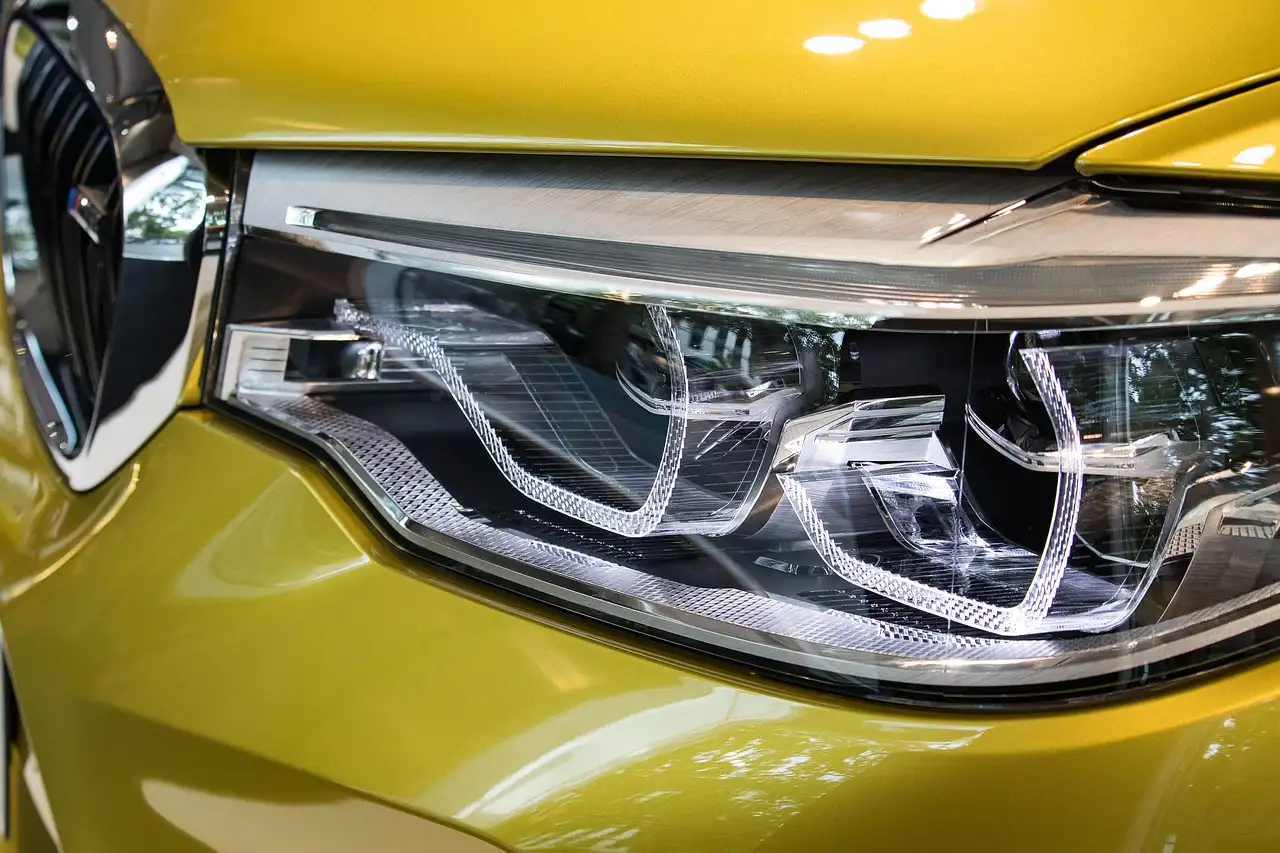
Many drivers feel LEDs are harsher than halogen headlights because the light is whiter, the cutoff can be sharp, and the source can appear more intense at night. That does not make every LED illegal. It does explain why glare complaints are so common.
Astigmatism can make lights appear streaky and disorientating. A bright oncoming LED may look like a starburst or smear, especially on wet pavement. For a driver with that eye condition, even a legal headlamp can feel far more intense than a warm halogen beam.
Halogen vs. LED light color
Halogen headlights were primarily warm-yellowish. LED headlights are cool-bluish. That color difference changes how bright the light feels to the eye, even when the actual output is within legal limits.
So the complaint is often about perception and beam control, not brightness alone. A properly aimed LED system can be legal and still feel sharper than a halogen lamp. A badly aimed one can be far worse.
Vehicle height and headlight aim
Vehicle stance and headlight height matter too. Taller trucks and SUVs can put their lights closer to the eye line of smaller cars, which makes glare feel stronger. A slight aim error can turn that into a bigger problem.
Picture a crossover with legal LED headlamps that sit a little high after a suspension change. The lights may still pass the color rule, but the added height can send more glare into the cabin of a low sedan ahead. That is why aim and mounting position matter as much as bulb type.
What states are LED headlights illegal?
There is no simple list of states where all LED headlights are illegal. State rules usually focus on equipment type, inspection standards, and improper conversions rather than banning LEDs outright. Factory LED systems are commonly allowed; questionable retrofit bulbs are where many problems start.
If you are shopping by state, think in terms of inspection enforcement instead of a blanket ban. A state may allow LEDs in general but still fail a retrofit that uses the wrong housing, the wrong beam pattern, or an improper bulb conversion. Local inspection manuals matter more than internet rumors.
Can I legally swap halogen bulbs for LED bulbs?
Sometimes, but often not cleanly. A halogen housing was designed around a halogen filament, so replacing that bulb with an LED can change the beam pattern enough to create glare or fail an inspection. The bulb may fit the socket and still be wrong for the lamp.
If you want the safest path, look for a vehicle-specific LED headlamp assembly or a manufacturer-approved lighting package. If you only want whiter light from a halogen housing, that is exactly where legal risk tends to rise.
How can I tell if my headlights are street legal?
Start with the vehicle’s original equipment. If the car or truck came with that headlamp package from the factory, it is usually the easiest legal case. Aftermarket parts need a closer look at markings, housing fit, vehicle-specific approval, and local inspection rules.
Use this short check before you drive with a new setup:
- Check the vehicle label. Confirm whether the vehicle was built with LED headlamps or halogen units. The original lighting package tells you what the housing was designed to support.
- Inspect the markings. Look for DOT and SAE marks on the lamp or assembly. If the part lacks clear markings, treat that as a warning sign and verify the product listing before using it on the road.
- Verify the fitment. Match the lamp to the exact year, make, model, and trim. A part made for a similar vehicle can still be wrong if the reflector, projector, or beam aim differs.
- Ask about inspection rules. If your state checks headlights at registration or annually, confirm whether retrofit LEDs are accepted. A setup that looks fine on a driveway may still fail a lane inspection.
Frequently asked questions
Are LED headlights legal in the US?
Yes, when the complete headlamp system meets FMVSS 108 and is approved for that vehicle. Factory LED systems are usually the cleanest legal case. The problem is usually not LEDs themselves, but retrofits that do not match the housing, beam pattern, or inspection rules.
Are LED headlights illegal in the US?
No. LED headlights are not broadly illegal in the U.S. What can be illegal is a retrofit or replacement that fails federal lighting requirements, uses the wrong housing, or fails state inspection. Brightness alone does not decide legality.
Why do some LED headlights seem too bright?
LEDs are often cool-bluish and can look harsher than warm-yellowish halogens. Glare is more noticeable when the beam aim is high, the vehicle sits tall, or the driver has astigmatism. The issue is often beam control and eye sensitivity, not illegal brightness by itself.
Are adaptive driving beams legal in the US?
Yes, U.S. regulation enabled them in 2022 under NHTSA and the U.S. Department of Transportation. Even so, legal approval is not the same as widespread availability. You still need a vehicle and lighting package that are built and sold for U.S. use.